Everyone loves a good snack. At its best, a snack can be the ideal pick-me-up after a really tough workout or a well-deserved mid-afternoon break at the office. But healthy snacking isn’t a slam dunk. At its worst, snacks can derail your healthy eating goals and ultimately sabotage your weight-loss. Here’s 5 common mistakes to avoid in your snack game.
Mistake #1 Skipping Snacks
One of the big problems I have with diets is they are always cutting something out. Whether it’s calorie counting, food restrictions, or obnoxious fasting rules, popular diets make us feel guilty for needing a snack. We don’t like being told we can’t have this or do that, especially when it comes to food. So dieters eventually cave for the thing they can’t have, get depressed that they failed, and quit.
I’m telling you right now – have snacks. In fact, eat like a Hobbit. At least target 3 meals a day with a mid-morning and mid-afternoon snack. Snacking helps you avoid getting hangry, keeps your energy up, and eating 4–5 smaller and more frequent meals throughout the day is a proven strategy for increased weight loss.
The fix: Instead of snacking on rabbit food or some pre-packaged “low-cal” crackers or cookies that won’t satisfy you, try adding hummus or peanut butter to carrots or celery sticks. I eat an apple with peanut butter almost every day around 3 pm. Target a mix of protein and carbs in your snack choice. This more filling option won’t break the calorie bank and should help keep you from overeating later.
Mistake #2 Snacking When You’re Not Hungry
If you’ve ever reached for something sweet or salty out of pure boredom you’re definitely not alone. Such mindless eating can add up fast and prevent you from reaching your goals.
The fix: Before reaching for a snack, do a hunger check. Ask yourself, “Am I really hungry, or just bored, tired, stressed?” If you aren’t actually hungry, go for a big glass of water, take a short walk, or find something else to do. Being mindful about your food intake is key to reaching your goals. Remember your reasons why you want to eat healthy and let that drive you to make good choices.
Mistake #3 Incorrect Portion Sizes
Nuts, seeds and dried fruit are excellent, nutrient-dense snacks, but they can be easy to overeat if you’re not careful. Beware of portion sizes for such foods. Usually a handful is all you really need. Portion sizes are made easy when you choose whole fruits like apples, bananas, pears. Once you are used to using portion control containers, you won’t need to measure anything.
The fix: Instead of eating right out of a bag of nuts and seeds, serve yourself the appropriate portion size.
Mistake #4 Not Planning
Failing to plan is a plan to fail in your snack game. If you are serious about eating right, you need a plan. It includes bringing healthy food to work with you, and keeping the junk out of your kitchen at home.
The fix: Make snack prep a part of your regular routine. Keep some whole wheat crackers and real cheese or healthy homemade trail mix at the office. You can bring hard cooked eggs, egg cups, a small jar of peanut butter to go with your apple or banana, etc.
Mistake #5 Not Having The Right Macros
Both protein and fat are essential macronutrients that help keep you feeling full and satisfied. An ideal snack should contain a mix of both carbohydrates and protein/ fat. Your brain and central nervous system run exclusively on carbs (sugar) found in foods such as whole grains, beans, vegetables, fruit, milk and yogurt. You need protein such as meat, seafood, eggs, nuts, and seeds to sustain energy and fullness longer.
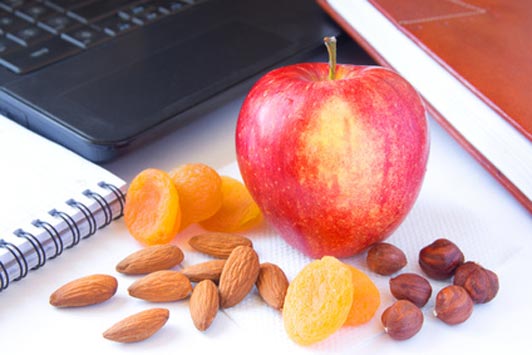
The fix: Choose snacks that incorporate both a healthy fat or protein, like almonds for example, with your fruit. This will help you stay fuller longer and avoid extra servings at lunch or dinner because you’re starving.
How Your Food Impacts Personal Productivity and Performance
I shared this information via webinar for my employer. What follows is the content of that webinar in it’s entirety.
Before we get started, I owe you some context. I’ve been a healthy living advocate since 2009, learning through trial & error and tons of research while training for triathlon and trying to figure out my bothersome digestive issues. I started writing and sharing my personal healthy living journey around 2014 and have enjoyed coaching others to live their healthy best since then.
I’m passionate about helping people live their healthy best because I don’t want anyone to live their golden years like my dad did. He suffered all thru his 60’s with debilitating heart and lung issues in large part because of the choices he made about his health as a younger man. I’m convinced that no matter our age or health now, making simple lifestyle changes today will make a big difference in how we enjoy the rest of our life. So that’s why I do what I do, and why I’m presenting today.
But I get it, so this doesn’t seem like a thrilling topic to discuss. Before you lean back in your chair and just tune out until its finally over and collect your wellness points, give me a chance to share an unconventional performance hack that will make you better at your job. And the truth is, implementing some simple tips I’m about to share can dramatically improve your health and the quality of your work – and get this – without exercising or starving yourself! How does that sound?
Your Health is YOUR Job
Think about this with me for a minute. You have a job. You need it. You have to show up every day and give your best effort at your job, because if you don’t there will be trouble. With me? You won’t let yourself fail at work because you need the job and others are counting on you.
Job requires focus, consistency, and effort: You are focused at work; you do what needs to be done. In your work, you have proven that you are capable of focus, consistency over time, and hard work.
How healthy could you be with this mindset? What if you took even 1/2 of that focus, consistency, and effort and applied it to other areas of your life? Would you be a better spouse, parent, friend? What would your health look like with this kind of effort? I talk to people all the time who are good at their work, but their health is not so great. They don’t have time, or they are too tired they say. I say Baloney.
No health = No work: Listen, you need to take care of your health as if it were part of your job. If your health fails, can you work? If you are overweight, stiff, exhausted, or frequently ill you know your ability to take care of your loved ones is reduced. In other words, to be your best at the roles that are most important to you, you need to optimize your health.
“But I’m just a desk jockey”
I know what you are thinking. “But I’m just a desk jockey.” My health doesn’t really matter because I only need my brain to do my work. “Where’s the donuts?”
You have one chance: Please take your health seriously. You have one life to live, one chance to make an impact on this world, one chance to leave a lasting and positive legacy for future generations. Don’t be held back from being your best because you chose to be lazy with your health. You are better than that. And you know you can do hard things, because you prove it in your day job. So treat your health like your job. There is your #toughlove
Many rewards & benefits to healthy living: Your body and mind will reward your efforts and your work will improve as well. You’ll be your best at life AND your job. There’s a ton of healthy living benefits including: boosts confidence, improves mood/ outlook, reduces stress, improves memory, strengthens immune system – you’ll also have more energy & strength, a healthy body weight, better sleep, and mental clarity to name a few.
Now that you are all fired up about the importance of taking care of your health, let’s drill down to look at nutrition and its impacts on your work performance.
Problem: Work Performance is impacted by food
Have you ever felt any of these symptoms during the work day?
Fatigue
Irritability
Reduced ability to think clearly
Higher levels of stress
Depression
Decreased productivity
These symptoms are all consequences of a poor diet. Chances are you’ve heard the old adage “you are what you eat.” The idea is that everything you eat affects the way your body functions and performs. When you eat healthy, your body processes the nutrients and maximizes them for optimal energy and performance.
Think of it this way; Your mind is a muscle. It is a professional athlete in the business world. Like all pros, you need to take care of yourself, recover, and be fueled properly. When you are tempted to neglect your nutrition, consider the following ways it will impact your personal productivity and performance.
Poor nutrition is a primary contributor to these work related issues:
Productivity takes a hit: Science tells us that a typical high carbohydrate breakfast of cereal, toast, muffins, juice impact brain function – particularly mood and comprehension – and not in a healthy way. High carb foods release their glucose quickly, leading to a burst of energy followed by a slump. High fat meals (such as cheeseburgers & drive thru breakfast sandwiches) provide more sustained energy, but require our digestive system to work harder, reducing oxygen levels in the brain and making us groggy. We can’t perform our best when our brains are starving for nutrients. The energy crash or grogginess definitely impacts productivity.
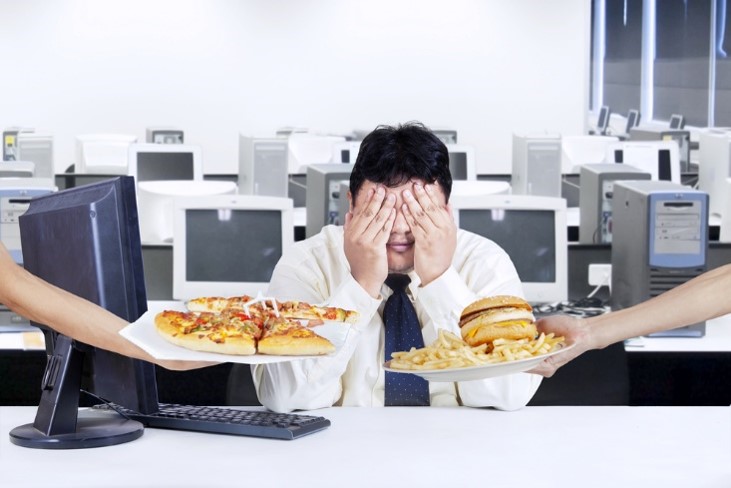
Self control goes out the window: Don’t make a big work or life decision when you are hungry! Hunger can kill productivity and make you “hangry.” Our body converts food to glucose, which provides the energy our brain needs to stay alert. Consuming foods with a high glycemic index value cause blood sugar levels to spike. These spikes send your energy through the roof for a short time, then it’s crash & burn. Not only have you lost energy, but you will quickly be hungry again. This vicious cycle is how we get fat – eating the wrong foods for “energy” only to crash and burn, get hangry and repeat. When we’re running low on glucose, we have a tough time staying focused and our attention drifts. This explains why it’s hard to concentrate on an empty stomach.
When you are hungry your stomach releases the hormone ghrelin. Research has found that this hormone impacts impulsivity and decision-making capabilities. That means when we’re hungry, we are more likely to rush a decision, snap at customer or co-worker, or respond irrationally to a situation because we are at our lowest point in energy and self-control. And when deciding what to eat, all you can think is “gimme food now!” French fries and candy bars are a lot more appetizing when you’re mentally drained.
Exhaustion kicks into daily life: Dietary patterns and food choices can also influence nighttime sleep and recovery. To all the caffeine junkies out there I say resist the urge to consume that late afternoon cup of coffee or soda, because the caffeine will last 5-6 hours after you drink it putting a damper on your sleep quality. Consuming too much caffeine can lead to jitteriness and anxiety, distracting you from work and interfering with your sleep schedule. If you lose too much sleep, no amount of caffeine will be able to make up for your mental fatigue. At the same time, caffeine dependency can cause withdrawal symptoms if you miss a day. I’m not saying that coffee or caffeine is evil, just be mindful about your consumption. Also know that eating that big meal before bed can wreck your sleep as well. This is like telling your body it’s time to fuel up and keep going, not wind down to rest. Try to target 3 hours between your last meal and bedtime.
Low blood sugar wrecks performance: Almost anything you eat will raise your blood sugar in some way. So if your blood sugar gets too low, you’ll need to eat something if you want to achieve your optimal performance. However, not all foods raise blood glucose in the same way or in the same amounts. Foods higher in the glycemic index, like candy bars and white rice, will cause your blood glucose to spike, then crash shortly thereafter. Low glycemic index foods, like oatmeal and most fruits and vegetables, will provide a steady release over the course of hours.
By the way, you can find GI charts online- there’s also one on my website. Generally speaking, the more processed the food is, the higher the GI value and lower performance value. To be clear, carbs are not the enemy as some fad diets claim. It’s the quality of carbs that counts. The glycemic index is one way to measure the quality of the carb. Another simple way is to check ingredients. Eating real food in its most natural form is best, so look for foods with the fewest ingredients, as that usually means it has been less processed and stripped of its nutritional value.
How To Optimize Performance With Food
So that was the bad news. Now let’s talk about what you all came here for – how to optimize performance with food.
First let me say that we should never assume that better information will motivate us to change. For example: Most of us are well aware that scarfing down a processed mixture of chicken bones and leftover carcasses is not a good life decision. But that doesn’t make chicken nuggets any less delicious. Am I right?
Awareness is a helpful first step, but what we really need is an action plan that makes healthy eating easier – along with a mindset shift regarding the way we think about food. But before we talk about the mental side of healthy eating, let’s review some strategies to optimize performance with food.
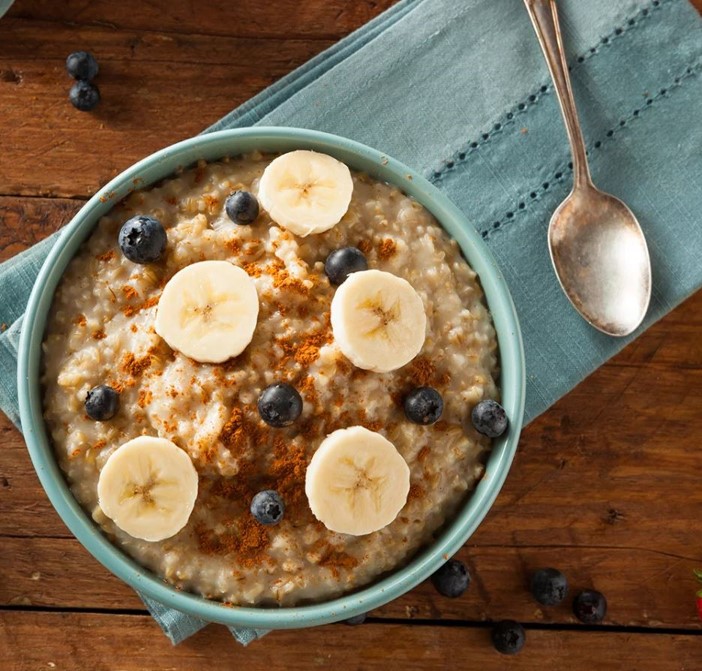
Substantial breakfast of varied nutrients: Start your day off right with a substantial meal, full of proteins and complex carbohydrates. Eggs and whole wheat toast are a solid bet, or oatmeal with fruit & nuts. Breakfast is the fuel you need to start your work day, so don’t skip breakfast. Target a mix of the major food groups such as:
Fruits and vegetables: Fresh or frozen produce is best. You can also have fruit and vegetable juice or smoothies. Just make sure that the label says “100 percent juice.”
Whole grains: These can be found in certain hot or cold cereals, crackers, or bagels. Look for whole grain as the first ingredient.
Protein: Good examples for breakfast include eggs, peanut butter, lean meat, and plant proteins like nuts and seeds.
Dairy: Try skim milk, plain yogurt, real cheese, or cottage cheese.
Plan ahead and pack your lunch: Spend a little time at the beginning of the week preparing. The more you can do upfront, the less you have to do as the week rolls on. I do meal prep on Sunday – it takes about an hour for the whole week. I bake chicken breast, cubed sweet potato, and spinach egg cups. I’ll cut up melon or pineapple too. I keep lots of bananas & apples, baby carrots, whole wheat bread & wraps, and raw nuts stocked as well.
Hard boil some eggs for grab & go. Eggs contain choline – a nutrient that improves memory and reaction time while providing a nice slow energy release to your system.
When you have easy to grab food on hand you are better equipped to make the right choices and stay productive. Banana is an excellent mid morning or afternoon snack choice.
Low glycemic foods like lean protein, rolled oats, sweet potatoes, and dark leafy greens can help you think clearly.
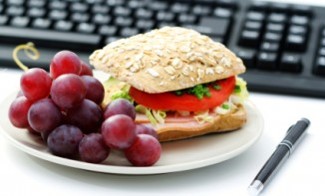
Sandwiches on whole grain breads, pitas, or wraps are a good choice, particularly when paired with spreads like hummus and fillings like tuna, sliced eggs, or lean meats like turkey or chicken. Salads pack well too if the dressing is kept separate from the leafy greens. Bring small containers of chopped veggies, almonds, granola bars, bananas, and apples for additional snacks during the day to keep your brain and body humming.
Packing your lunch not only ensures that you have the types of food you need, it also helps to avoid the temptations of skipping meals, hitting the vending machine, or joining coworkers for unhealthy fast food.
It also pays to plan ahead. Nearly a week’s worth of packed lunches costs the same as one lunch out.
By the way, the best way to avoid junk food is to not bring into your home. I would eat a bag of cookies every week if they were in my house. The solution is to simply not buy them. When planning your grocery run, scratch off the junk food. You will thank yourself later.
Graze instead of skipping meals: Eat like a Hobbit. Breakfast, Second breakfast, Elevensies, Lunch, afternoon tea, dinner, supper. HA! The point is don’t save up for lunch and stuff your face. It’s better to graze steadily throughout the day to keep your blood sugar levels even… as long as you choose healthy options. When you’re busy at work, it’s easy to skip meals in an effort to squeeze out more productivity. Don’t do it! Skipping meals will hurt you later in the day by lowering your energy and productivity.
Also, you may think that skipping meals will help with your waistline, but it won’t. Your body tends to compensate for the missing meals by lowering metabolism, storing fat, etc. Truth is, when you fuel with the right foods on a regular schedule you won’t feel starved at all. In fact, you can actually lose weight while eating more!
Budget caffeine: If timed right, coffee (and other forms of caffeine) can improve your performance in the short term, when consumed in moderation. Consider gradually shifting to decaf coffee after lunch, so you don’t interfere with your sleep cycle. Tea is another decent form of natural caffeine, but I highly recommend avoiding caffeinated sodas and so-called energy drinks. Most are a toxic chemical cocktail that will do your body more harm than good.
Drink More Water
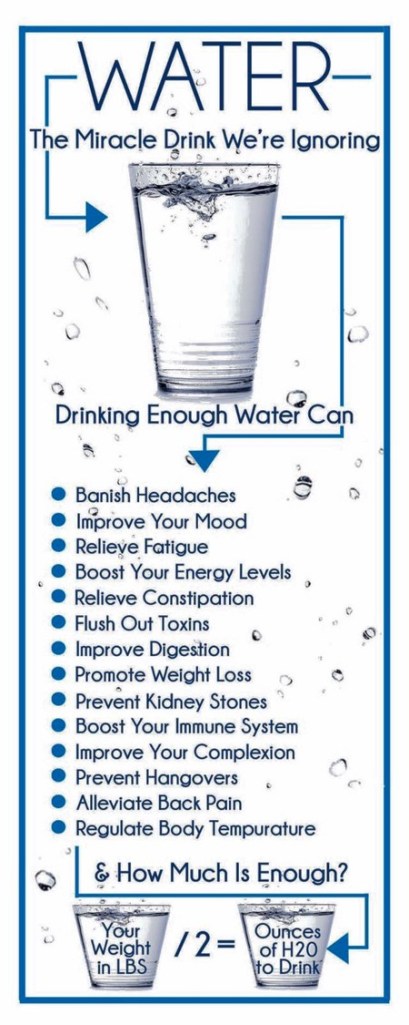
Wake up. Hydrate: Sleeping dehydrates you. I have a big drink first thing in the morning (20 oz at least) to relieve dehydration, start my digestive system before breakfast, help me feel more full before I eat, and wake me up. Drinking more water is among the best bang-for-your-buck healthy eating tips.
Drink then eat: Drinking a big glass of water before every meal will help you to eat less because you will feel more full.
Handy water bottle: Have a water bottle with you at your desk or work place all day. Drink from it often. Target ½ your body weight in ounces of water consumed every day.
Color check: Be aware of your urine color. Clear to light yellow is good. Darker yellow means drink more water. Beware that certain medications or vitamins will discolor your pee for a few hours, so don’t freak out about that.
Listen to your body: Have a headache or feeling ‘hangry’ (aka: hungry/ irritable/ angry)? Drink a big glass of water first. Give it 10 minutes to see if it makes you feel better. Many times it will. The headache is your body telling you that you are dehydrated.
Other drinks are NOT water: Please do not replace water with soda, sports drinks, coffee, alcohol, juice, milk, etc. Your body needs water. While some juice, milk, wine and plain coffee may have some health benefits, MOST drinks are filled with artificial and chemical ingredients that do more harm than good.
Productivity Boosting Snacks
Target a mix of carbs and protein: An ideal snack for productivity should contain a mix of both carbohydrates and protein. Your brain and central nervous system run exclusively on carbs (sugar) found in foods such as whole grains, beans, vegetables, fruit, milk and yogurt. You need protein such as meat, seafood, eggs, nuts, and seeds to sustain energy and fullness longer.
Apple & peanut butter: One of my go-to 3 pm snacks. Super simple and easy.
Hard cooked eggs & fresh fruit: Another option here is egg cups – baked in muffin tin. I add chopped spinach to sneak in another veggie serving. Perfect for grab & go. Nuke them for 30 sec.
Trail mix (nuts, seeds, dried fruit): Use pre-packaged trail mix with caution. Many have chemical additives, sugars, etc. Read the label. Make your own mix.
Yogurt bar (natural granola, trail mix): Yogurt can be tricky. Most flavored yogurts are full of added sugar. Look for minimal ingredients.
Real cheese & whole wheat crackers: Triscuits are a good cracker choice – minimal ingredients. Real cheese is healthy in moderation. Processed cheese is really bad. Kraft, Velveeta= skip
Smoothie bar (yogurt, frozen berries, banana, almond milk, spinach, peanut/ almond butter, etc.): Not all protein powders are created equal. In fact, some have a mile long ingredients label that reads like an alien language. Read the label. As with all food labels, if you don’t know what the ingredient is, or you couldn’t buy it on it’s own in the store, think twice about eating it. That said, Shakeology is my favorite.
Solution: Mindset Matters
Science, facts, and food lists are great, but they do little to change behavior. What we need is to change the way we THINK about food and our relationship to it. There is no escaping that we behave according to what we believe. So the first thing to do is think about what you believe. Do you believe that food impacts performance at work and life? Do you believe that you can kick bad habits and replace them with healthy ones? The answer is YES! Yes you can. Maybe the following mental floss will help you ConQuer Your Mind.
Determine your “Driving Force”: What is your driving force? What is your personal compelling reason WHY you want to eat healthy, break bad habit, start healthy habit, change a behavior? This is key, because if you don’t have this firmly ingrained to your mind, you will more easily quit when the change gets hard…and it surely will. Lack of a driving force is a main reason resolutions fail.
Take Baby Steps: Don’t try to fix everything all at once. You will fail. Instead, take baby steps. Small, reasonable goals are helpful. Make it a habit, then move on to the next step. For nutrition, maybe start with drinking more water. Then maybe replace soda or energy drinks. Then add more movement to your routine. One baby step at a time. Be consistent over time.
Think “Replace” instead of “Cut”: One of the big problems I have with diets is they are always cutting something out. Telling you what you can’t do or have. We don’t like being told we can’t have this or do that, especially when it comes to food. So dieters eventually cave for the thing they can’t have, get depressed that they failed, and quit. Instead, I want you to simply replace. Drink water instead of soda, eat whole wheat bread instead of white, choose a fresh fruit instead of a candy. This is a mental exercise to change the response you have to a natural trigger that launches your bad eating habit. For example, say it’s 3:00 and you are dragging, or maybe just finished a stressful conference call. These are triggers that might normally make you reach for a sugary snack or soda as a “pick-me-up” or stress reliever. You recognize the trigger and instead go for an apple or get up and walk around, have a big drink of water, etc.
Fuel vs. Friend: One of the hardest mindset shifts to make about food is this. Food is meant to be fuel. You are a highly complex machine that requires the right fuel to perform optimally. When you feed your body what it needs, it will do amazing things for you. Conversely, when you eat junk, your body responds poorly as we’ve already discussed. But we like to use food as our friend. The one who comforts us when we are stressed, bored, tired. The one we celebrate with when things are good. The problem is that in these instances, food is a lousy friend. When we go to food for comfort, to relieve stress, or to celebrate, we choose poorly, consume mass quantities, and are left with regret, digestive issues, and tighter pants. I’m all about enjoying food, but I’ve learned that changing my mind about food has been a game changer for my health. Over time you will find that the benefits far outweigh the consequences. For example. I’ve not had soda for over 20 years because I realize my body does not respond to it very well. I don’t even miss it. Same with fast food. Once I realized that it messed up my guts and made me feel bad EVERY TIME, I quit eating it. We can ALWAYS do better than traditional fast food.
Be Accountable: Ugh, accountability is too convicting. Perhaps, but it works. Especially if you regard it in a positive way. It’s meant to help you not punish or condemn. Lack of accountability is another main reason resolutions fail. Truth is, we are far more likely to stick with our goals and healthy habits when we share them with others. So tell others your plan and ask them to hold you to it. Better yet, get others to join you in your healthy pursuit. Post you plans & goals, along with your driving force, everywhere. Accountability is the glue that ties commitment to results. By the way, I almost always have a small group of people in a virtual or online accountability group because we know that we are better together. If being in such a group sounds interesting to you, connect with me separately for more info.
So there is the plan. Since you now believe that food not only impacts your health, but also your work, you are inspired to take action, right? I’ve given you a simple 5 step plan to follow and laid out ideas for foods you should be eating. Enjoy!
Resources & Content credits
First is my personal website where I share all kinds of healthy living content. Find articles about breaking bad habits, healthy eating, fitness tips, exercise programs and calendars, recipes, etc. Next is my favorite healthy eating site. Here you can learn how to eat real food without counting calories or starving yourself and still lose weight. Hundreds of recipes too. The rest of the list are others sources I used to help me research this topic. I don’t agree with everything in these articles, but they were very helpful.
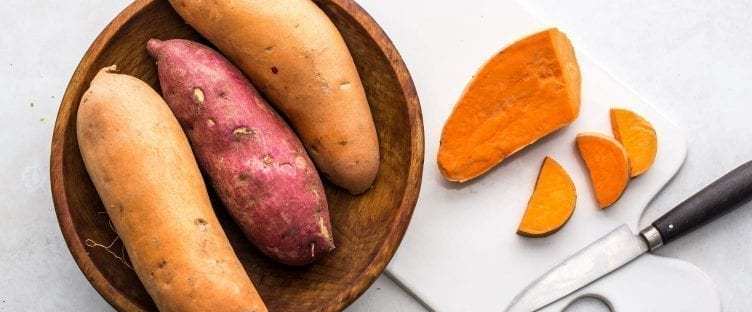
Sweet potatoes are not only delicious, they are also a nutrient powerhouse filled with complex carbs to provide steady energy throughout the day and during workouts. Easy to eat, easy on the gut and easy to cook, sweet potatoes are a great food to incorporate into your healthy eating plan.
FIT FOOD BENEFIT #1 – STEADY ENERGY DURING WORKOUTS
A medium-sized sweet potato contains 90 calories primarily from carbohydrates with some protein. The 20g of carbohydrates in one medium sweet potato are composed of 13g from starch (complex and slow-burning), 3g from fiber (complex and slow-burning) and 4g from sugar (fast-acting). The mix of complex and simple carbohydrates make sweet potatoes a great pre-workout ingredient for long-lasting, sustainable energy during any type of workout.
FIT FOOD BENEFIT #2 – RICH IN CANCER-FIGHTING ANTIOXIDANTS, VITAMINS AND MINERALS
Sweet potatoes are an excellent source of vitamin A, providing 89% of your daily value. They are also good sources of vitamin B5 and B6, providing 16% and 15% respectively. Vitamin A is a powerful antioxidant, which helps the body combat cellular damage. B-vitamins provide an energy boost, improve brain function and cell metabolism. In addition to antioxidants and B-vitamins, sweet potatoes are also a good source of calcium, iron, magnesium, phosphorus, potassium, sodium and zinc. Compared to other common pre-workout foods like white bread toast, sugary cereals or granola bars, sweet potatoes enhance the quality of your overall diet in addition to providing a great energy boost for workouts.
FIT FOOD BENEFIT #3 – CONTROLLING BLOOD SUGAR
Sweet potatoes with the skin have a glycemic index of 41, which is relatively low compared to other carbohydrate-rich foods. This makes them not only great for slow-burning fuel for workouts but also controlling blood sugar for those who live with pre-diabetes, diabetes or hypoglycemia (low blood sugar). Studies show sweet potatoes to be a beneficial source of complex carbohydrates for people with pre-diabetes and diabetes.
FIT FOOD BENEFIT #4 – VERSATILE AND EASY TO MAKE
Poke holes in a sweet potato with a fork, pop it in the microwave and press the potato button. If your microwave doesn’t have a button specifically for cooking a potato, try 3–5 minutes. A microwaved sweet potato with a dollop of 0% plain Greek yogurt and salsa on top makes a great pre-workout meal in less than five minutes. In addition to cooking them in the microwave or roasted whole in the oven, try making potato cakes or potato pancakes.
THE BOTTOM LINE
Sweet potatoes are an easy pre-workout snack to provide a valuable boost of energy to enhance performance and add nutrients to your overall diet. Their nutritional profile helps to control blood sugar and provides a steady stream of energy throughout your day and workout. In addition to being a great pre-workout snack, they are filled with beneficial antioxidants, fiber, vitamins and minerals to benefit overall health and prevent disease. On top of all those benefits, they are delicious, satisfyingly sweet without adding too much sugar and easy to make.
Kristen Arnold, MS, RDN, CSSD is a registered dietitian (RD), professional cyclist and cycling coach. She is a board-certified specialist in sports dietetics (CSSD), received her master’s in human nutrition (MS) from Ohio State University and is a Level2 USA Cycling coach with Source Endurance LLC. Her private practice nutrition counseling business focuses on performance nutrition for athletes. Kristen competes in national-level cycling races across the USA as a professional cyclist for ButcherBox Pro Cycling.
Eating well is not about being 100% perfect every day, every meal, especially over the holidays. However, you shouldn’t treat the holidays as a free pass to eat whatever you want, or you’re setting yourself up for disaster and possible regret come January 1st. Try some of Tony’s favorite tips to help you stay on track during the holidays.
1. Accountability is key
For years I’ve stressed the importance of accountability. Whether its finding a workout partner, posting your meals, joining a group like my new Dietbet Challenge, keeping a food journal, or writing out your goals, accountability is the key to your success.
2. Offer to host the party
By hosting the party or dinner yourself, you are in control of the foods that are served, so you can substitute unhealthy ingredients and dishes for healthier options. Controlling food supply is easier when you’re the one in control.
3. Don’t skip meals
It’s tempting to save your appetite for all of the delicious food at a holiday gathering, but you’re also setting yourself up to overindulge and make bad choices. Before your holiday meal, eat a protein- and healthy-fat-packed snack such as veggies and humus or celery with nut butter. Protein and fat help you cut your cravings for sugar and carbohydrates.
4. Start smart
Start your meal with soup and salad or fresh veggies, and avoid snacking before your meal on appetizers made with refined flour or sugary treats. Volunteer to bring something so you’re guaranteed to have at least one healthy dish you enjoy and can load up.
5. Rethink your drinks
Alcohol lowers your inhibitions and sends you down a slippery slope of bad choices. Most alcoholic beverages are also filled with sugar and empty calories. Limit alcohol intake, or better yet, avoid it altogether. If you do indulge on a drink or two, drink water in between and make the rest of your beverages sparkling water, tea or water with lemon or lime.
6. Eat mindfully
I’ve been talking a lot about mindfulness lately, and that’s because I’ve realized how important it is! Before each meal, take five deep breaths, and tune into how hungry you really are. As you eat, focus on flavors, colors and smells, and try to put your fork down between bites. Halfway through your meal, pause, put down your fork and take a few more deep breaths. Assess your hunger on and ask yourself, “How much more food do I need to feel satisfied without feeling uncomfortable?”
7. Don’t cave to peer pressure
We’ve all been there when the well-meaning friend or relative asks you why you’re not having a piece of their homemade fudge or having another glass of wine. Just know that no one will feel insulted if you explain, “I’m here for the company, not just the food.”
8. Set your intention
Before indulging in holiday food and spirits and desserts, set an intention for the event such as “I will start with vegetables, limit myself to two glasses of wine and water, and only have two bites of dessert after dinner.” Of course only you know your weaknesses, so you’ll set an intention that feels right for you. Setting an intention makes you less likely to indulge in foods and activities that make you feel less than your best.
Remember above all else not to beat yourself up if you fall off the wagon. Just do your best and forget the rest!
Full-fat everything you want — it sounds like a dream diet to lose weight on, right? The ketogenic diet, or keto diet for short, has risen to diet trendom. Health-wise, the ketogenic diet has also been shown to be beneficial for mental disorders, epilepsy, type 2 diabetes and even weight loss. Even so, this diet is quite controversial.
Let’s explore this diet together, so you can make an informed decision for your personal health.
WHAT IS THE KETOGENIC DIET?
The ketogenic diet is a high-fat, low-carb and moderate protein diet. Despite recent popularity, the “classic” KD has been used for almost 100 years to treat children with epilepsy. It was later adapted into the well-known commercial weight-loss program, the Atkins diet. Different versions of this diet exist, but these two are among the most common:
Classic Ketogenic Diet: This diet uses a ratio of 3:1 or 4:1 for fat to nonfat (Think: protein and carbohydrates) in grams.
Modified Atkins Diet: This diet restricts carbohydrates to 20 grams of “net” carbs daily. “Net” carbs are defined as total carbohydrates minus dietary fiber.
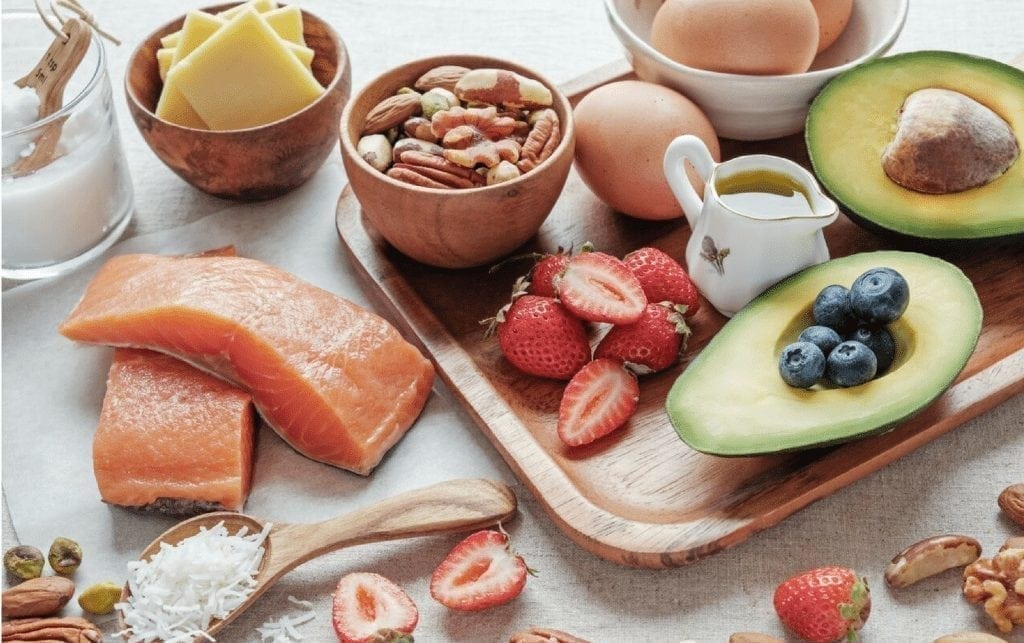
Take a look at the chart below to see how the KD stacks up against what experts recommend; the difference is drastic. Keep in mind that the definition for a “classic” KD may be different than what people who practice a more mainstream ketogenic lifestyle for weight loss will consume. A modified version of the KD is more flexible on the number of carbs you can have in a day, so low-carb vegetables (think: broccoli, spinach, lettuce) won’t count against you. High-fat, keto-friendly foods include those higher in saturated fat (e.g., bacon, cheese, butter) and lower in saturated fat (e.g., olive oil, avocado, nuts and seeds).
*Note: A well-balanced diet rich in fruits, veggies, whole grains, lean protein and healthy fats will likely have a macronutrient (e.g. fat, protein, carbs) profile within the “acceptable macronutrient distribution range” (AMDR).
HOW DOES THE KETOGENIC DIET PROMOTE WEIGHT LOSS?
You may wonder how eating up to 90% of your calories from fat while turning a blind eye to calories can lead to weight loss. Nobody knows exactly but researchers have a few good guesses:
Fuel Switching. Eating a lot of fat and severely limiting carbs pushes you into “ketosis,” a state where mostly fat is burned instead of carbs. Even the brain, an organ that preferentially uses glucose (a sugar) for fuel must adapt to using fat in the form of ketones.
Appetite Control. Those on the KD claim it dampens their appetite. This is because ketones may play a role in signalling satiety within the brain.
Metabolically Expensive. Just because you transitioned into ketosis and can burn fat more efficiently doesn’t mean your body won’t need carbs at all. To keep blood sugar within a reasonable range, the liver converts protein into glucose through a process called “gluconeogenesis.” OK, biology lesson stops here. Just know that this process demands a lot of energy and burns an additional 400–600 calories daily.
The KD may be great for short- and medium-term weight loss, but there’s no clear outlook on what it will do to your health in the long run — and this puts many experts on edge.
WHY IS THE KETOGENIC DIET SO CONTROVERSIAL?
The US News expert reviews give the KD about 2 out of 5 stars. Right off the bat, here are two major reasons why this diet sank so low:
It promotes foods high in fat, even saturated fat, which is bad for heart health. A diet that puts few limits on bacon, butter and full-fat cream automatically draws backlash.
It can eliminate whole food groups if followed stringently. This includes high-carbohydrate vegetables, most fruits and whole grains. This could lead to nutrient deficiencies in the long run.
Despite the controversy, let’s balance pros and cons. Yes, the KD is solid therapy for children with epilepsy, but they’re always under careful clinical supervision to correct for any micronutrient deficiencies. The KD is showing promise as therapy for Type 2 diabetes, cancer and neurological disorders such as Parkinson’s, Alzheimer’s, autism, etc. but the science isn’t yet well-established. The same applies for long-term weight loss.
THE VERDICT
Hopefully I’ve given you enough food for thought. In my opinion you should still try to lose weight first by following a well-balanced diet full of fruits, vegetables and whole grains. But, to be frank, I’m flexible on the ketogenic lifestyle, especially if you’re pursuing this diet with the help of a qualified health professional.
Clearly, the KD is restrictive and isn’t for everyone. Be realistic about whether this diet will align with the lifestyle you want. If you have a sweet tooth or love your fruits and veggies, you will likely struggle on keto. Those who are vegetarian or vegan will also find the KD challenging.
Finally, just because the diet is a poster child for all-you-can-eat bacon doesn’t mean you have to eat this way. There are healthy fats to choose including avocado, olive oil, walnuts and fatty fish.
My humble opinion on the matter is that while Keto might be a great kick-starter for your weight loss goals, I don’t see this diet as sustainable (or healthy) for the long term. I firmly believe “balance is best,” and that includes real food from all the food groups in proper portions. You don’t need to restrict food groups or count calories when you follow my favorite resource for healthy eating – 90/10 Nutrition. Start with 90/10 first. You might find like me that you can “Eat like this forever!”


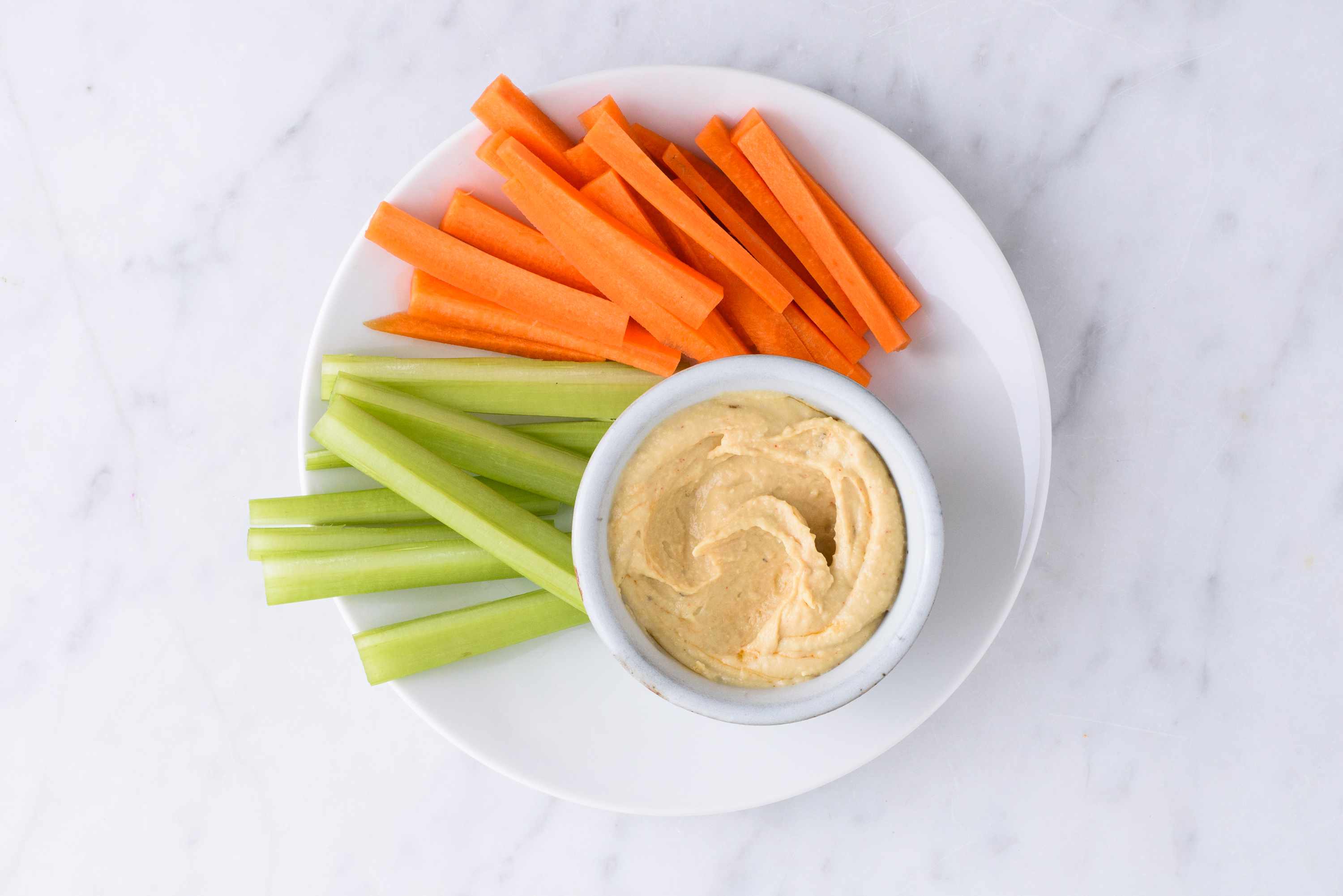 The fix: Instead of snacking on rabbit food or some pre-packaged “low-cal” crackers or cookies that won’t satisfy you, try adding hummus or peanut butter to carrots or celery sticks. I eat an apple with peanut butter almost every day around 3 pm. Target a mix of protein and carbs in your snack choice. This more filling option won’t break the calorie bank and should help keep you from overeating later.
 The fix: Make snack prep a part of your regular routine. Keep some whole wheat crackers and real cheese or healthy homemade trail mix at the office. You can bring hard cooked eggs, egg cups, a small jar of peanut butter to go with your apple or banana, etc.
 The fix: Choose snacks that incorporate both a healthy fat or protein, like almonds for example, with your fruit. This will help you stay fuller longer and avoid extra servings at lunch or dinner because you’re starving.








 Team Quadzilla