Nutrition

Feed Your Machine

feed the machine1

Some time ago, I wrote about some timeless principles to manage your most important project (YOU) – by focusing on being a better person. You can read it here.

I want to take the idea of managing yourself a step further to look at your physical health. After all, you can’t be your best when you don’t feel good. I’m going to focus on nutrition. Hear me out, this is not a shake-my-finger-at-you sermon to go on a diet. Diets don’t work. My focus is a paradigm shift regarding the way we think about food.

Here are two scientifically proven mathematical equations for food to get us started.

Garbage In = Garbage Out

Eat Real Food = Feel better + Improve Performance + Look Better

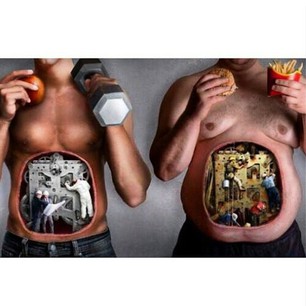
Your body is a finely tuned machine. You may not think so when you look in the mirror, but it is absolutely true. It performs countless functions every moment that we don’t even realize. It also gives feedback on how we take care of it.

Much like any other machine, it performs well when it is cared for, and it performs poorly when it is not cared for. Ever put soda or donuts in your car’s gas tank? Would it operate well if you did? In the same way, we need to feed our bodies with the right fuel if we expect to perform our best.
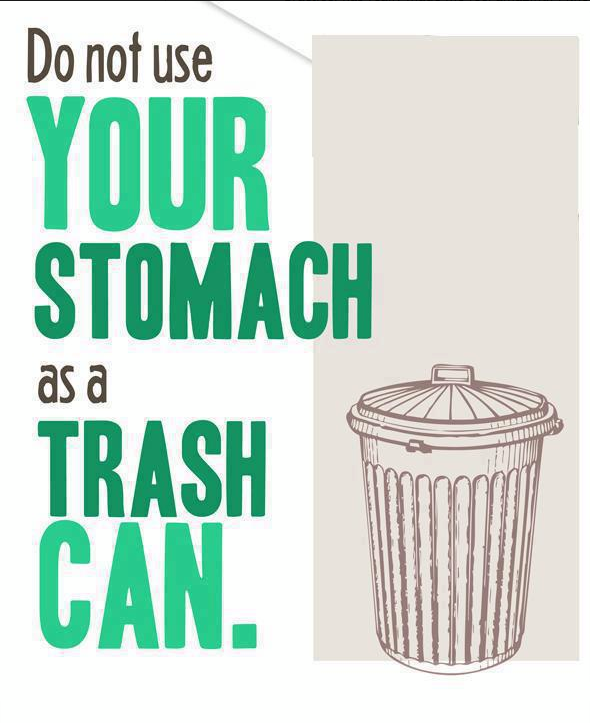
body-trash

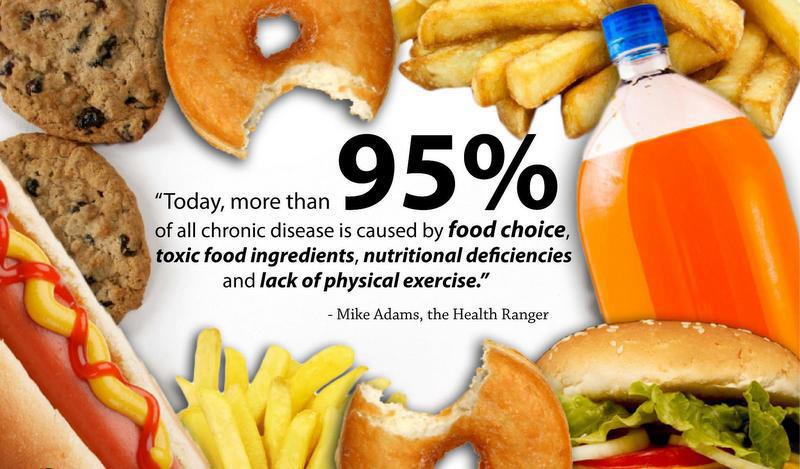
NEWS FLASH: our bodies were not meant to eat highly processed, chemically enhanced, boxed food with 25 ingredients on the nutrition label even if it says “low fat”, “healthy”, “low calorie”, “high protein”, etc. Without getting into all the science of chemical additives and processing, I promise that these unnatural, unpronounceable ingredients are not good for us.

If you feel low on energy during the day, depend on caffeine, carry more weight than you’d like, suffer from pain and fatigue from performing common activities, have indigestion, bloating, or are often “irregular” you should first look at how you fuel your machine.

I’ve been on a journey of natural, whole foods healthy eating for a while now and can attest that it is the secret formula to help all the ailments I mentioned and more.
95 disease by food

You might say, “I don’t have time to eat healthy” or “I don’t know how to eat healthy.” I’m with you. I said these things myself, and not too long ago.

Changing your nutrition requires a change in your MINDSET about food first. You must agree that your fuel impacts your body’s performance and that natural, whole food is the best way to eat.

Instead you say, “I can’t afford to eat poorly” or “Learning to eat right is important to me and I’m going to figure out how to do it because I want to perform, feel, and look my best.”

You make conscious decisions about what you put in your mouth because you know that it will absolutely impact you whether you feel it immediately or not. Just like you wouldn’t put soda in the gas tank because you know the car wouldn’t work, you mindset about fueling your body should be the same. I mean who doesn’t want to perform, feel, and look their best today AND for the long term?

Educating yourself about proper nutrition and whole, natural food eating is key. The internet is filled with nutrition advice, some of it is good (and much is not).

My favorite healthy eating resource is www.9010nutrition.com This is a thorough resource with articles, videos, links to healthy recipes, and a no obligation email registration that connects you to even more great advice and encouragement to help you along your healthy eating journey. Of course, there is the Fitness & Nutrition tab on my website that has a recipe section as well.

Among my favorite healthy eating hacks is blending the beef protein powder called Prime Protein from Equip Foods. I prefer the strawberry flavor combined with blueberries and spinach for breakfast. It’s easy to digest (vs whey or pea protein, which can cause bloating), is made from grass-fed beef, and tastes like dessert. Use coupon code QUADZILLA and get my special discount on your order.

If you are ready to make real and lasting changes to your health, the next step is up to you. I would be honored to help you get started on your healthy living journey. Let’s chat!

Fitness, Nutrition

Trying to Lose Weight? Avoid These Mental Pitfalls

Following are a few common negative statements you might say to yourself regarding food with some ideas about how to reframe them in a positive way to help you stay mentally fit on your healthy living journey.

“TODAY WAS A BAD EATING DAY”

What is a bad eating day? What is a good eating day? Sounds pretty subjective to me, but this is what we do and it sets us up for failure. Feeling guilt or shame over bad eating days fosters an unhealthy relationship to food. And if the standard for a ‘good’ day is perfection – however you define that – there will be unrealistic expectations and pressure to always be perfect which isn’t healthy either.

Rather than thinking of eating days as good or bad, ask yourself questions like these: How did my food choices align with my healthy eating goals? Which of my eating goals went well and why? Why did I choose against my healthy eating goals, and how can I improve that tomorrow? How have my eating habits improved since last week/ month/ year?

Undesirable behaviors come from bad habits that start with a trigger, so identifying those triggers is key to applying better choices when the triggers strike. Replace negative behavior and thinking with encouraging, positive thoughts to help you choose better in the present moment and in the future. For example, instead of saying “I had a bad day,” you might tell yourself, “I didn’t get enough protein at breakfast because I was tired, which led me to reach for sugary foods.” Next time, “I will go to bed a little earlier and also prepare breakfast ahead of time.” Identifying the problem without guilt and coming up with a solution to be prepared helps avoid future slip-ups.

“THE SCALE ISN’T BUDGING, SO I MUST BE DOING SOMETHING WRONG”

Ugh, I don’t like the scale. Yes, it is a measurement tool that can be helpful. But don’t become slave to it. Physical health is measured more accurately, in my opinion, by other factors like how you feel, what you can do, and how your clothes fit. Being stressed about the scale, which can vary daily and weekly by a number of factors, can further hinder weight loss. Instead of becoming discouraged when you weigh in, remind yourself of all the other positive changes you’re noticing. For instance, “I have more energy to get through my days,” “My clothes fit better,” “I have more confidence,” and “I have more endurance in my workouts.” Focusing on the positives and what you’re doing right makes weight-loss more motivating and enjoyable.

“I TOTALLY MESSED UP, I HAVE TO START ALL OVER NOW”

“I REALLY SHOULDN’T BE EATING THIS”

“DOES THIS MAKE ME LOOK FAT?”

Fitness, Nutrition

Essential Guide to Healthy Eating

wl_bmtn_170115_1

Healthy eating does not have to be difficult or complicated. As an advocate for healthy living, understanding food and basic nutrients is important to me. I believe that to change your body (and physical health in general), you must start with your mind first, then your food, and THEN your exercise. You can’t outwork a bad diet, and you’ll never enjoy a lifestyle of healthy eating until your mindset is right about food.

Rather than re-creating the wheel, I’ve simply gathered some resources from the MyFitnessPal Blog that does a great job of simplifying the basics of healthy eating. I like these linked articles because they explain the importance of often persecuted food groups and defends my personal opinion that eating a balanced variety of foods is better than any restrictive “diet-of-the-month” that requires you to cut all carbs or fats. Take some time to read these links and educate yourself. Consider this your crash course in healthy eating.

Essential Guide to Macros

Essential Guide to Protein

Essential Guide to Fat

Essential Guide to Carbohydrates

Want more? Check out my video presentation of a Nutrition 101 course I taught for my employer.

Fitness, Nutrition

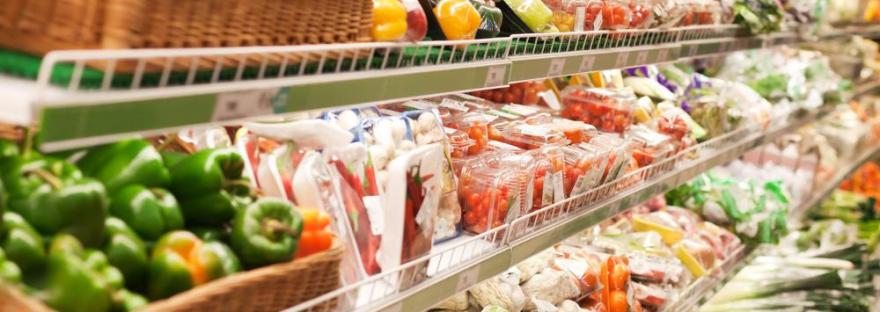
Tips for Healthy Grocery Shopping

rows-of-vegetables-and-fruits

Want your family to eat healthier? It all starts with a healthy shopping list. If your cupboards and fridge contain mostly healthy foods, everyone in your family is likely to eat better. If the junk food is not in your house, you can’t eat it. Duh.

Surprisingly, healthier eating can lower your grocery bills, too. It’s true that ready-to-eat meals and packaged foods save time, but they can cost more and some have too much salt and fat. I was skeptical of this claim like you are, until I tried it myself. If you want real, sustainable change in your health, you’ve got to get the food part right. The good news is that it’s not that hard to do.

Follow these tips to get the most nutrition bang for your buck.

Stock Up With Staples

These pantry basics will give you the foundation you need for better family nutrition at home.

– Fresh, frozen, canned, or dried fruits and vegetables

  • Canned: Look for low-sodium vegetables and no-added-sugar fruits. We use a lot of canned green beans. Warmed up with whole wheat pasta and some lean meat for a super simple meal.IMG_0434
  • Frozen: Use what you need for a meal, then put the rest of the bag back in the freezer. We use a ton of frozen mixed veggies. I like to nuke the frozen veggies with raw broccoli. It steams the broccoli perfectly in 2 mins. Added to some pre-cooked chicken breast and whole wheat pasta or seasoned sweat potato chunks for a delicious healthy meal.
  • Dried: Check the label for and avoid added sugar, especially on fruits. I like raisins and dates. They are super sweet on their own to help satisfy my sweet tooth.

Whole grains, such as whole wheat bread, brown rice, and non-instant oatmeal

Steel-cut oatmeal costs just pennies per ounce and is a good source of fiber. I’ve cut a lot of bread out of my diet lately, but I still go for super cheap Quaker Old Fashioned Rolled Oats. No need to pay for the fancy stuff.

Beans, lentils, and peas

Packed with protein and other nutrients, they’re a great way to stretch your food dollar. Save! Use them in everything from soups to chili to burritos. Packaged dried beans cost less but take some planning to cook. Low-sodium canned beans are another option. Rinse canned beans to lower sodium even more.

Nuts like almonds, pecans, pistachios, and walnuts

Lean meats, poultry, fish, and eggs We eat lots of chicken breast, natural deli turkey, 93% lean ground turkey or beef, and eggs. Lots of eggs. So cheap and filling when mixed with veggies in a stir fry or omelette.

Low-fat or nonfat milk, yogurt, cheese, and other dairy products

Children under age 2 should have whole milk unless otherwise directed by your doctor. Yes, you can eat cheese. Real cheese though. Velveeta is not real cheese. Read the ingredients. We like Sargento Cheese. Yogurt and cottage cheese is tricky. Read the ingredients.

Buy Healthy Snacks

How to keep your kids from going overboard on chips, cookies, and other snacks? Make it easy to find the healthy stuff. We’ve learned that kids will adjust to the food you have. Don’t assume you must have junk food snacks for the kids because that’s all they will eat. You are in charge.

IMG_0616

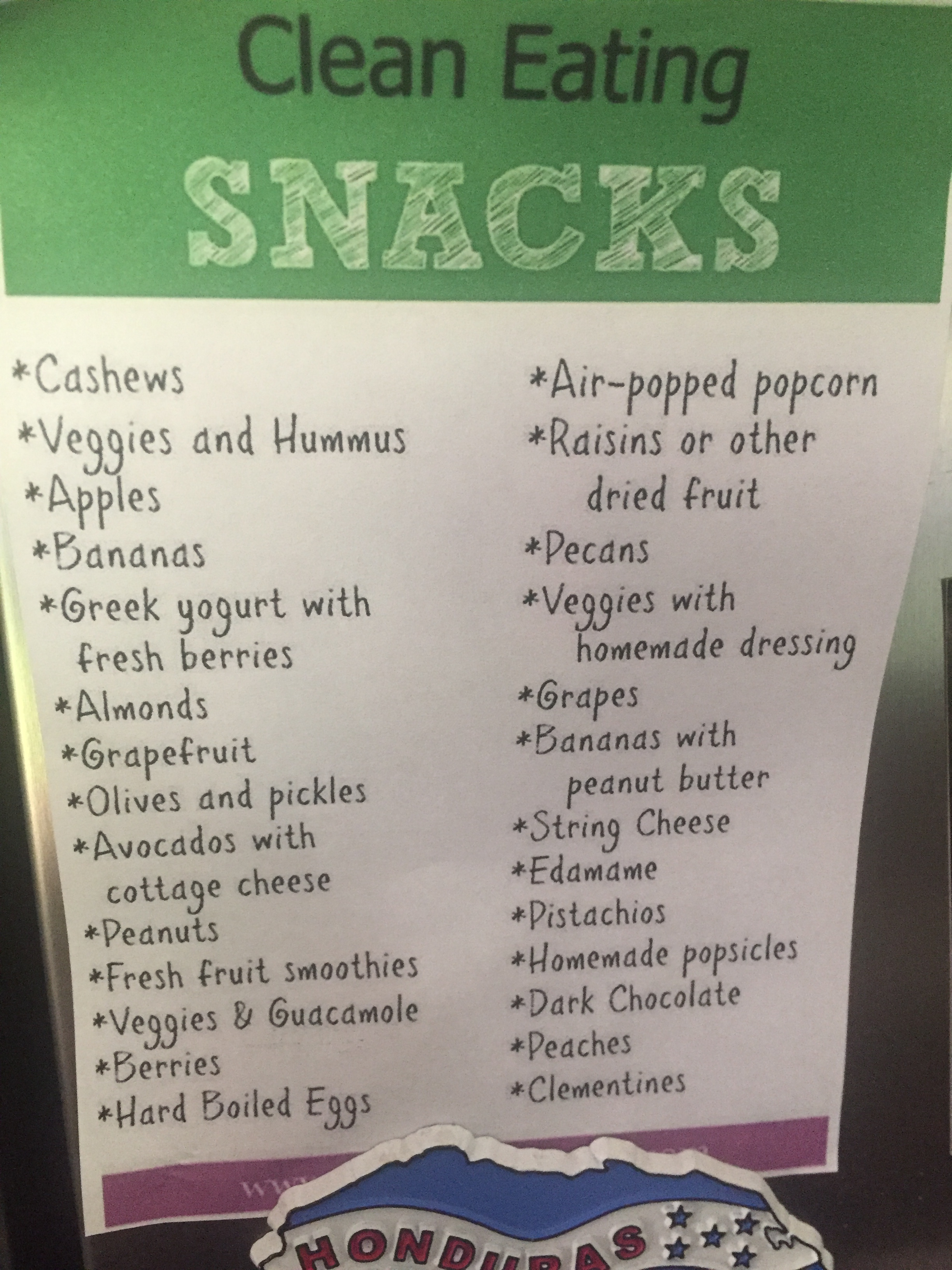
Keep these healthy options on the center shelf of the fridge: (this list is on our fridge)

  • cut-up fruit
  • baby carrots and low-fat ranch dip
  • string cheese
  • hard-boiled eggs
  • low-fat yogurt

And these on the counter:

  • dried fruit and nut mix
  • pretzels
  • whole-grain crackers and peanut butter

3 Surefire Healthy Grocery Shopping Rules

To keep your food choices on track with your family’s health goals, follow these three basic rules as you cruise the supermarket aisles.

Don’t shop hungry. Ever notice what winds up in your cart when you shop with hunger pangs? Eat a nutritious snack beforehand so the munchies don’t take control of your shopping.

Make a healthy shopping list. Even if you know what you need, a list saves time and prevents impulse buys. Organize your list into sections according to the store’s layout. Shop for the healthy items first, picking up the treats last. We use the Kroger ClickList to automate our shopping. When you shop from home via internet, you are far less likely to add items to your cart that aren’t on the list. Saves buckets of money!

Hug the walls — most of the time. Stay focused. Avoid parts of your grocery store with the unhealthy choices. The edges of the store (the perimeter) tend to have the healthiest choices. Detour down center aisles for beans, whole-grain pastas and cereals, and canned and frozen vegetables and fruit. Skip the aisles with chips and other temptations, or get only the items on your list. When you’re grocery shopping with kids, the temptations can be especially distracting.

Let us know your healthy grocery shopping tricks to save time, money, and sanity.

SOURCES: University Cooperative Extension Service, Iowa State University: “Convenience costs;” “Snacks for healthy kids;” “Stretch your protein dollar;” “10 tips for saving at the grocery store;” “Ways to save money in 2010;” and “What’s a good buy?”American Dietetic Association: “Raising healthy eaters from preschool to high school” and “Save time and money at the grocery store.”The University of Maine Cooperative Extension: “Winning ways to grocery shop with young children.”WebMD Health News: “Baby Milk Recommendations Changed.”