If I have learned anything in my 20+ years of project management experience, it’s that there is always room to grow and improve my skills as a PM. Some of the best things I’m learning about being a successful PM didn’t come from college, expensive seminars, or even on the job training. What I’m about to share with you are several simple habits and tips we can adopt to maximize our productivity on the job and in life. Since we are all managers of ourselves, these tips can help us be better no matter our profession.
–Set
the environment to be productive
A quick internet search for “most productive work environments” will provide more than you need know about the pros and cons of every conceivable variable in your work space so I’ll just offer a few suggestions. The point is to minimize the distractions that keep you from focusing on your work.
- Since your optimum work environment is based on
your personal preferences, try to personalize your space to suit you. Display photos, inspirational quotes, or a
trinket to help remind you of why you are working so hard and to offer a bit of
encouragement when you look at it during a stressful time.
- Consider lighting. Most agree natural light is
best, but if you are stuck under fluorescent lighting, try adding a lamp to
soften the light at your work area. You can work better when you aren’t squinting
all day from uncomfortable lighting.
- Your chair is important. Sitting at a desk all
day is bad enough on our body. I’ve heard it said that desk work is as bad for
your health as smoking. Get a comfortable chair, try a stand up desk,
incorporate Deskercise into your day, and
stretch your legs occasionally.
- Neat or messy work area? I’m not sure it matters,
and everyone defines messy differently. I’ll say that if you struggle to find
what you are looking for, then you need to tidy up. Remove items from your work
area that you don’t use regularly, and make a sensible filing system. When
organizing your files and work area, consider this question, “If I died
tomorrow, would someone else be able to pick up where I left off and find what
is needed to continue my job?”
- Temperature matters too. If you are too warm or
cold at your work area, you will use precious energy to manage your comfort
instead of your work. Dress in layers and use a personal fan or space heater
handy if you need it.
–Stop time wasting activities
We all have unique time wasting activities. Find a way to make the activity efficient, delegate it to someone else, or eliminate it. One example for me is social media. Mindlessly scrolling the news feed for “quick break” can end up being 20 minutes or more without realizing it. One trick I do is to kill my news feed on my work computer to eliminate the temptation. For work tasks that seem cumbersome or inefficient, ask yourself these questions:
- Is this a task I must do, or can someone else do
it for me?
- When is the most convenient time for me to do
this task?
- What value does this task add? If it’s not
valuable, change it to make it valuable, or stop doing it.
–Take
notes
Write
down the pop up thoughts to clear your mind and get back to it later. Sometimes
these thoughts are important reminders to do something, but you are in the
middle of another task. By writing it down, you free your mind from it, and
guard against forgetting about it later. If I’m away from my desk, I’ll add a
note or reminder with alarm on my phone. It feels great to clear my head of
these pop up thoughts so I can focus on the task in front of me.
–The
3 D’s of email
- Delete. Our inboxes get filled with worthless mail. If I
don’t recognize who it came from, or the subject line is not related to my
work, it gets deleted immediately. But first I mark it as spam and have my
email service block them from sending me more.
- Deal with it. Some work related mail can be dealt with in 2
minutes or less. Those should be done upon reading, otherwise you are just
wasting your time to close the email and reopen it later. Just reply and be
done with it. Make your reply thorough so you don’t create unnecessary back
& forth with the sender.
- Defer it. This is the hardest one for me. If I let it,
answering email could fill my entire day, every day. To get any of my other
work done, I must simply defer some email to a time that fits my day. I do this
by blocking out time in my day specifically to handle email. This way, I only
handle the email once and it’s done. This strategy helps me fight the urge to
react to the “ping” when new mail comes in. When the sender realizes
sending urgent email is not getting the desired response, they will call, or
meet in person.
-Don’t be a slave to your phone
Unless
I’m aware of some mission critical activity taking place after my normal work
hours, I simply do not answer the phone. It can wait until morning. In my
experience, there is often very little that can be done after business hours
anyway. Everyone else is closed, so no action of consequence can be taken until
the next business day anyway. Behaving this way teaches others how to respect
your time, and your family will thank you.
-Own
your morning
In my opinion, how you manage your first waking hours of each day has more impact on your personal performance and productivity than anything else you will do all day. This is the time before the phone calls, team meetings, and the barrage of email, reports, and decisions due throughout the day. Early morning is your time to take care of you so you can best take care of your other responsibilities. Use this precious time to renew your mind, workout, and fuel your body for the day ahead. Keep reading for more details.
-Read & reflect
High
achievers read to learn and they take the time to process what they are reading
so they can take action on what they learned. Choose any topic that interests
you, but it should be for your personal
and professional development. Read something that encourages you to be
a better human; a better leader, employee, boss, project manager, etc. I like
to read long enough to capture an idea to reflect upon. Then I write about it
in my journal. The writing exercise grounds me. Thinking and writing about what
I just read helps me to process what I read, remember it, and hopefully put it
to action right away. I spend about 30 minutes a day on this activity and am convinced
it yields the greatest return in my personal productivity for my time
investment.
-Sweat
High
achievers understand the importance
of their physical health. Let’s face it, if we aren’t healthy, we can’t
be our best. Ignoring your physical health may not seem like a big deal today,
but it
will in the future. You need to build healthy habits now to increase
your probability of a long, healthy future. Spend some time to exercise first
thing in the morning. Twenty to 30 minutes of exercise, 3-4 times a week is all
you need. While some will say you must do this or that exercise, but I
recommend that you just get moving. Get your heart rate up, break a sweat, and
challenge your muscles. It will help clear your mind, reduce stress, and rev up
your internal systems for the busy day ahead.
-The
secret weapon
We
have all experienced the energy and motivational slump that occurs in the
mid-afternoon. Our mornings typically go by fast, but once lunch is behind us a
couple hours it seems extra hard to tackle another pressing task. The reason we
struggle at this time of day may not be what you think. Unless you are
disciplined about how much water you drink throughout the day, it is very
likely that you are dehydrated. The secret weapon to revitalize yourself is
simply water. A decent rule of thumb is to drink half your body weight in
ounces of water every day. For me, that means by 3:00 p.m. I should have drank
at least 60 oz of water. Trust me, this works. The sluggishness we feel, the
headache that we blame on staring at the monitor, and the irritability we sense
is not from “that guy” but from your body telling you that it needs
more water. Stay
hydrated and plow through your afternoon with vigor and clarity.
–Create margin in your calendar
Have
you ever experienced a work day when everything went as planned? Me either.
Despite our best efforts to not double book ourselves for meetings, or to
tackle that complex issue right after lunch, the day of a project manager is
routinely hijacked by the unplanned, the interruption, and the hair-on-fire
crisis. The days can be stressful and frustrating to say the least. That’s why
it’s so important to create margin in your calendar. You must block out periods
of time in your day and week that are reserved for important tasks. These are closed
door, leave-a-message, I’m-not-available-right-now times so you can do your
vital task. Block out the time for whatever it needs to be, but you must
schedule it. Maybe you need an hour to catch up email or return calls without
interruption. Maybe you need to focus on the budget report. Maybe you need to
get a workout or eat a healthy
lunch. Block it out on your schedule. Here’s what I’ve learned by doing
this:
- The margin greatly reduces the stress of work. I
feel more in control of my time and energy.
- I am more productive and produce higher quality
work faster.
- Work “emergencies” are resolved better when
I have uninterrupted focus to handle them, versus trying to multi-task.
While there are lots of good ideas here, I recommend trying just one or two at a time to start. Get those firmly ingrained into your daily/ weekly routine before moving on to the next one. Taking on too much at once is a recipe for failure and discouragement. What are your tips and tricks to optimize your personal productivity? Encourage us with your comments below.


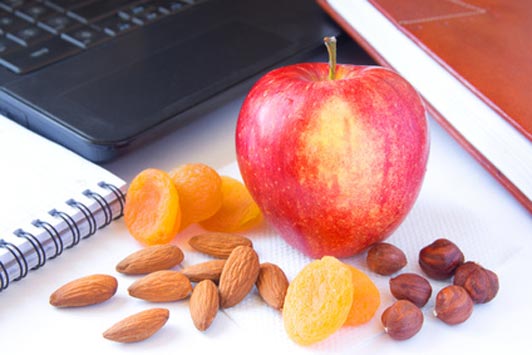
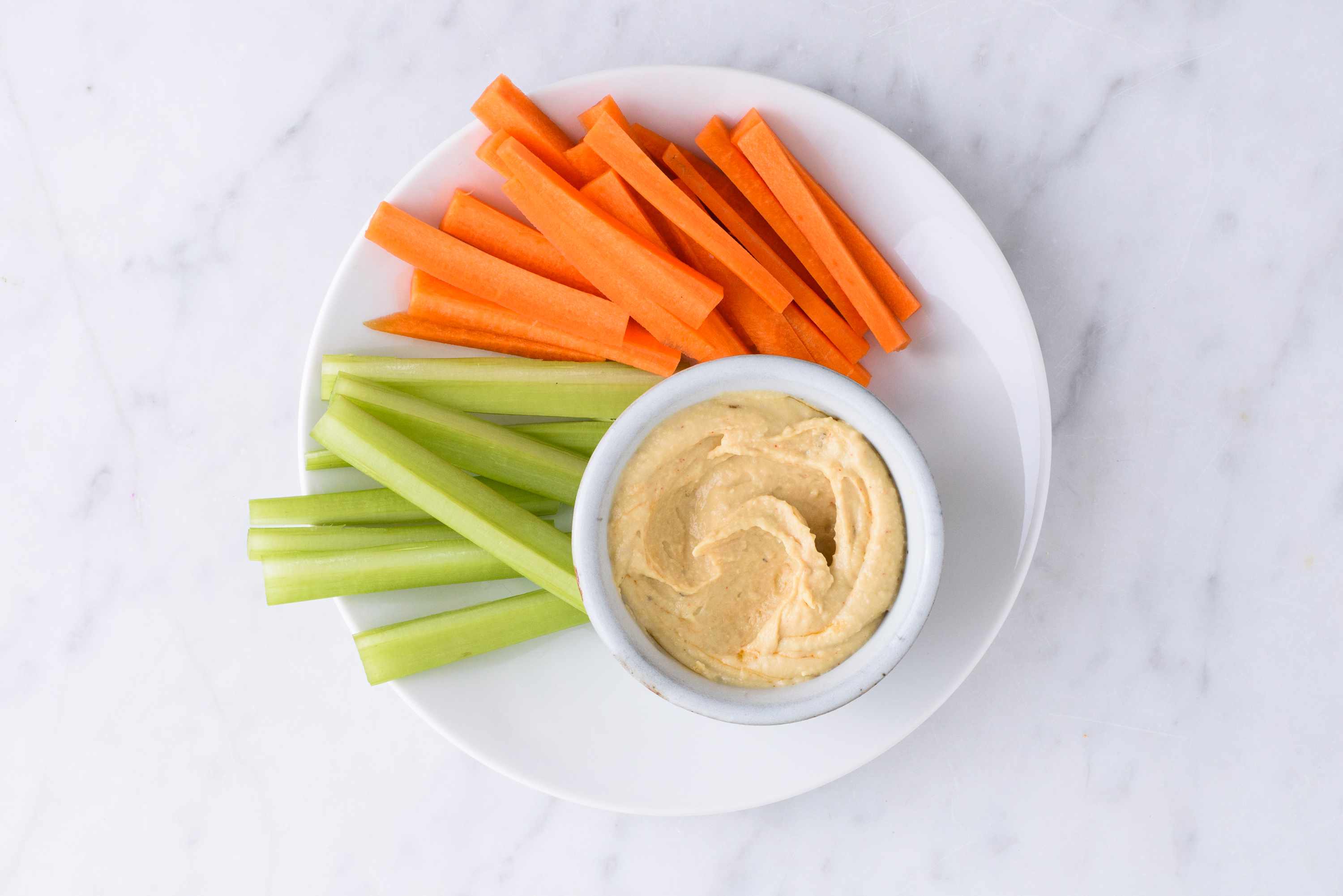 The fix: Instead of snacking on rabbit food or some pre-packaged “low-cal” crackers or cookies that won’t satisfy you, try adding hummus or peanut butter to carrots or celery sticks. I eat an apple with peanut butter almost every day around 3 pm. Target a mix of protein and carbs in your snack choice. This more filling option won’t break the calorie bank and should help keep you from overeating later.
 The fix: Make snack prep a part of your regular routine. Keep some whole wheat crackers and real cheese or healthy homemade trail mix at the office. You can bring hard cooked eggs, egg cups, a small jar of peanut butter to go with your apple or banana, etc.
 The fix: Choose snacks that incorporate both a healthy fat or protein, like almonds for example, with your fruit. This will help you stay fuller longer and avoid extra servings at lunch or dinner because you’re starving.






 Team Quadzilla