Fitness, Nutrition

How Can I Prevent Kidney Stones?

88be3a41925e0f85b6badf3828d0e725eb067a6d8b0614be2cd546e889658b10

I don’t know about you, but kidney stones sound absolutely awful. I hope I never get them. But entering “middle age” means my chances increase, which is why taking preventative measures now is important. Maybe following the advice of this article will help. Have you ever had kidney stones? Article copied in entirety from sources at bottom.

You may have heard the old line about kidney stones: These, too, shall pass. The better idea is to not get them at all. And that’s not as hard as it may seem.

With the right foods, plenty of water and proper medication, you can lower your chances of kidney stones. Maybe you’ll find they’ve passed right out of your life.

Who Is More Likely to Get Them?

“Kidney stones” is a one-size-fits-all term for what are actually different types of small, solid crystals. A number of things can cause them. Some are related to kidney infections. Others form because you have too much of certain minerals in your system.

Genes can play a role, too. Of the people who get kidney stones, 40% have a family history of them. Their bodies may create too much calcium or too little citrate (a chemical found in citrus fruits).

Other conditions that make kidney stones more likely include:

  • Obesity. When you’re overweight, you tend to get them more often.
  • Surgery. If you’ve had gastric bypass surgery or other intestinal surgery, your chance is higher.
  • Disease. One example is polycystic kidney disease, in which clusters of cysts grow in your kidneys.

Kidney stones are mostly associated with middle-age men, though they can affect people of any age or gender.

Things to Watch Out For

Even if you’re in good health, there may be other things going on that make the growth of kidney stones more likely.

One of the first things to look at is water. If you’re not drinking enough, you may not be making enough urine. That means they have more chance to form.

Other things to watch:

  • Colas. These beverages are high in phosphates, which may lead to kidney stones. (The sugar doesn’t help).
  • Oxalates. These are organic compounds found in a number of foods — including healthy plant-related ones such as spinach and sweet potatoes. However, oxalates also bind easily to certain minerals, including calcium. Calcium oxalate crystals are the leading source of kidney stone creation.
  • Salt and sodium. If you have a high-sodium diet, you’re more likely to have more calcium in your pee. Most people get their sodium through salt, so lots of salt means a greater chance for kidney stones. However, calcium intake itself is not a bad thing — just when it’s combined with high sodium. In fact, too little calcium in your diet may lead to kidney stones in certain people.
  • Too much animal protein. Too many steaks (and chicken, eggs, and seafood) can build up uric acid in your body. That’s another cause of kidney stones.
  • Previous cases of kidney stones. If you’ve had them once, you’re likely to get them again — unless you’re proactive.

Things You Can Do to Help Prevent Them

Being proactive means taking your medication, if you’ve been prescribed any, and taking charge of your diet. Other things you can do:

Drink plenty of water. Stay hydrated, especially when you exercise.

Check labels. Look at the packaging in the grocery store. Avoid or eat less of foods that have hidden things such as monosodium glutamate (MSG), sodium bicarbonate (baking soda), and sodium nitrate.

Cut back on certain foods. Usually you want to get more spinach and nuts in your diet, but your doctor may advise watching out for these or other foods if you have had a certain type of kidney stones. Here are some other foods rich in oxalate and phosphorus that you may be told to watch out for:

  • Cheese
  • Chocolate
  • Ice cream
  • Liver
  • Oat bran muffins
  • Oysters
  • Yogurt (Greek-style is OK)

Eat citrus fruits. Lemons and limes are high in citrate, which helps prevent kidney stones.

SOURCES:Harvard Health Publications: “5 Steps for Preventing Kidney Stones.”Mayo Clinic: “Diseases and Conditions: Kidney Stones,” “Polycystic kidney disease.”National Institute of Diabetes and Digestive and Kidney Diseases: “Diet for Kidney Stone Prevention.”University of Wisconsin School of Medicine and Public Health (uwhealth.org): “Urology: Genetic Heritability For Kidney Stones.”American Kidney Fund: “Who is at risk for kidney stones?”University of Utah Health Care: “Can Women Get Kidney Stones?”Harvard Medical School: “5 steps for preventing kidney stones”Children’s Hospital of Philadelphia: “Kidney Stones Are on the Rise Among Youth, Especially in Females and African-Americans.”National Kidney Foundation: “6 Easy Ways to Prevent Kidney Stones.”National Kidney Foundation: “Phosphorus and Your CKD Diet.”Clinical Journal of the American Society of Nephrology: “Soda and other beverages and the risk of kidney stones.”The Cleveland Clinic: “Kidney Stones: Oxalate-Controlled Diet.”Urology: “Can Sexual Intercourse Be an Alternative Therapy for Distal Ureteral Stones? A Prospective, Randomized, Controlled Study.”

Reviewed by Melinda Ratini, DO,MS on 12/9/2016

Fitness, Nutrition

Why Am I Not Losing Weight?

76764003

Please enjoy this excellent article by Kara Wahlgren.

In theory, weight loss should be easy: Watch what you eat, work up a sweat, and reap the rewards.

But losing weight doesn’t always seem that simple. You can feel like you’re doing all the right things — and you might lose some weight at first, but then you might reach the dreaded weight-loss plateau.

I’m sure you’ve been there: You’ve followed your diet to a T, you’ve cut calories, you work out regularly, and you’re still not losing weight. When you’re putting in the work and still not dropping pounds, well, that’s mind-numbingly infuriating. Unfortunately, it’s not uncommon.

Don’t give up. Below you’ll find 10 reasons why the number on the scale might be stuck, as well as some suggestions on how to help you start losing weight again.

And, remember, it’s a journey. Even before you reach your goal weight by committing to a healthy lifestyle, you’ll start feeling stronger and learning to fuel your body with the right foods, and you might even find a workout you love!

10 Reasons You Might Be Struggling to Lose Weight

Losing weight takes work, but the rewards are worth it: a healthier heart, more energy, and checking yourself out in the mirror (and liking what you see), just to name a few.

1. You Have Unrealistic Weight-Loss Expectations

To be successful with losing weight, you have to have realistic and healthy expectations. And patience! You didn’t put on all the extra weight in a week or month, and you aren’t going to lose it all in a week or month either. And that’s OK.

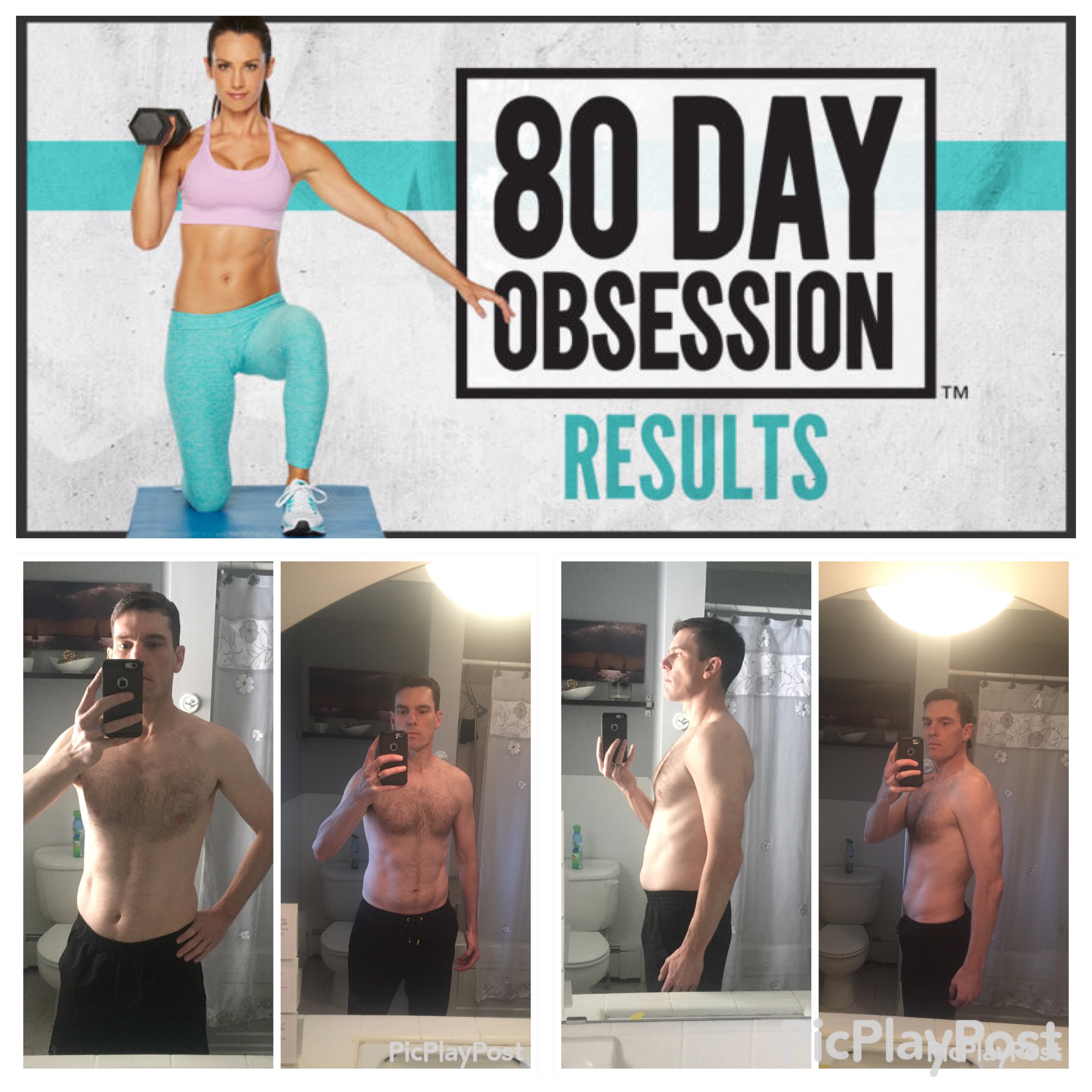
Also, you might find that you are not actually losing weight but your body composition is changing, so the number on the scale might not be going down as fast as you like. Most scales don’t accurately reflect how much water you have in your system, how much body fat you’ve lost, or how much muscle you’ve gained. That’s why we encourage you to take “before” and “after” photos and to take your measurements.

When you lose body fat, you’ll be able to see it in how your clothes fit and in your pictures. Take a look at these “before” and “after” results to see what we mean!

“Often, I see clients get impatient and, if they don’t lose weight almost immediately, they change their regimens,” says Wesley Delbridge, R.D., a spokesperson for the Academy of Nutrition and Dietetics. “However, they may have been on the right path to begin with; they just needed to give it more time.”

2. You Don’t Eat Enough Food

Super low-calorie and elimination diets — like those that are probably clogging up your social media feed right now — ignore the fact that food is fuel. Calories, including often-maligned carbohydrates and fat, are required for you to live and breathe… let alone to lose weight in a healthy way.

“Because our body weight is regulated by multiple systems, starving ourselves activates the body’s protective mechanisms to defend our body’s weight,” says Ethan Lazarus, M.D., a board member of the Obesity Medicine Association.

“One of these mechanisms is dropping the metabolism as low as possible. In general, we recommend, unless under medical supervision, not keeping your calories below 1,200 calories per day.”

3. You’re Not Eating Carbohydrates (or Protein or Fat)

For a healthy diet — whether or not you’re trying to lose weight — the calories you eat should come from a combination of healthy carbohydrates, proteins, and fats, explains San Diego bariatric surgeon Julie Ellner, M.D.

Whole-food sources of unrefined carbs (ex. legumes, fruit, and raw veggies) are vital to keeping energy levels up so that you can crush your workouts. The fiber found in these carbohydrates (versus, say, a croissant), will help you stay full and help you be less likely to snack on something unhealthy.

In addition, when you eat too few carbs, your body doesn’t stock as much glycogen, the stored form of your body’s primary fuel source, glucose. And since each gram of glycogen is stored with three grams of water, the scale will reflect that reduction in water weight. But that’s all it is: water weight. So, while the lower number might be encouraging, it doesn’t reflect your progress toward your ultimate goal: fat loss.

In addition to losing primarily water weight, cutting back too far on carbs can leave you chronically low on energy, which can hamper your weight-loss efforts by keeping you more sedentary and lowering your workout performance.

You also need protein and fat. Both will help you feel full, but fat also helps regulate your hormones and protein is vital to building lean muscle mass, the primary determinant factor of your metabolic rate, Ellner says. The more muscle you have, the faster your metabolism will be.

4. You’re Not Working Out Hard Enough

When you go for a jog or long, slow bike ride, you burn calories, but your metabolism settles back to normal soon afterward. That’s one of the reasons high-intensity exercise like the kind of metabolic conditioning you’ll find in Beachbody programs such as CORE DE FORCE and 22-Minute Hard Corps is superior for weight loss. Not only do you burn more calories during every minute you work out, but your metabolism also remains elevated for days instead of hours.

5. You Only Do Cardio Workouts

When most people want to lose weight, the first thing they turn to is the treadmill, aka the “dreadmill.”

Hating your workout isn’t going to help you stick with a workout routine. And, you may find you have better luck losing weight if you take the emphasis off steady-state cardio and focus more on strength training.

According to one large-scale study from the Harvard School of Public Health, people who spent 20 minutes per day strength training gained less belly fat over the course of 12 years compared to those who logged the same number of minutes doing cardio.

“Even if following a healthy diet for weight loss with adequate protein, we don’t lose 100 percent fat,” says Lazarus. “We lose part body fat and part lean body weight (muscle), and losses in lean body weight can result in the metabolism slowing.”

“Strength training — whether it’s with weights, yoga, Pilates, or any other resistance-based workout — is important to preserve lean body weight and metabolism. Think about it: Weight training gives your body a bigger engine. That bigger engine burns more gas getting you around town,” Lazarus explains.

Cardio can certainly be a part of your weight-loss routine, but try to include weight-lifting sessions and bodyweight circuits into your routine several times per week.

6. You’re Trying to Change Your Whole Lifestyle At Once

Going on a diet sounds like it’s just one simple change. But, in reality, following a healthy diet and weight-loss plan may include shopping for new foods, learning new recipes, changing how you spend your time after work, potentially getting up earlier to work out, increasing your step count, fighting cravings for junk food , drinking more water, and so much more.

That’s a lot to take on at once and can leave you feeling overwhelmed.

That’s why a habit-based approach can help, especially for those who have a history of going on and off diets. A review from experts at the University College London’s Health Behaviour Research Centre shows that habit formation is vital to making sustainable, long-lasting changes.

Try focusing on changing one thing at a time, and practicing that change until it’s really cemented, and then work on adding in the next one. Some good examples of healthy changes:

7. You Don’t Pay Attention to Your Body’s Cues

Trying to belong to the clean-plate club can hinder your weight-loss efforts because it ignores your body’s way of regulating food intake: namely, hunger and satiety.

“Paying attention to how each bite makes the body feel is critical to getting in touch with how much food we actually need, as well as what types of foods make us feel good and energized versus fatigued,” Ellner says.

She recommends eating when you are slightly hungry and to stop eating when you are slightly full. Although a 2014 Public Health Nutrition review suggests intuitive eating is a better tactic for weight maintenance versus weight loss, it has been shown to improve mental health and physical health factors other than body mass index.

If you find yourself gravitating to the kitchen or your desk’s snack drawer, ask yourself, “Am I really hungry?” Often we eat out of habit, boredom, and stress. (Or because we’ve confused hunger with thirst!)

As you eat, nixing distractions such as the TV, computer, and phone can really help you hone in and recognize when you’ve eaten just enough, Ellner says.

8. You Eat More Than You Think You Do

“When people track their food intake for the first time, they are usually shocked to see what they are really eating throughout the day,” says board-certified family and bariatric physician Spencer Nadolsky, D.O., a diplomat of the American Board of Obesity Medicine.

You don’t have to do it forever, but tracking every single thing you eat for as little as a week can help raise awareness of what you are eating and where you are getting excess calories or sugar, Nadolsky says.

Make sure to track everything — those little taste-test bites you take while cooking or handfuls of candy from your coworker’s desk add up.

Plus, if you add a “notes” column to your tracker or food journal, writing down how you felt prior to each meal can help you learn how your emotions, energy levels, and food schedule play into what you eat.

For instance, if you write: “I worked through lunch, and then my blood sugar completely crashed and I felt super shaky” after your “candy bar” entry, that gives you a lot more information as to what will help you avoid that daily 2 p.m. vending machine run, says Delbridge.

If you don’t have the time or headspace to count calories, you can also try the Beachbody Portion-Fix Eating Plan, which calculates your approximate total daily calorie needs and helps you stick to them with a color-coded portion-control container system. Simply eat the number of containers prescribed in your daily calorie range, and you don’t have to track or count calories.

Also, don’t try to accelerate your losses by slashing more calories than what’s recommended. If you don’t eat enough, your body will try to compensate for the excessive calorie deficit by slowing your metabolism. Your goal is to eat at just enough of a deficit to allow your body to burn through its fat stores.

9. You Don’t Get Enough Good Sleep

Just because you can “power through” on not much sleep, it doesn’t mean you can thrive that way — especially when it comes to weight loss.

“When we sleep, body fat makes two important hormones, leptin and adiponectin,” says Lazarus. “Leptin is our body’s best natural appetite-suppressing hormone, while adiponectin is helpful in making our body respond better to insulin.”

He explains, “After inadequate sleep, in addition to being tired, which we all know is every dieter’s worst enemy, we will be hungry and crave carbohydrates.”

In addition, one small study found that when dieters slept for only 5½ hours, they experienced 55% less weight loss and also saw their lean body mass decrease compared with those in the study who got 8½ hours of sleep.

The National Sleep Foundation recommends that adults ages 18 to 64 sleep 7 to 9 hours per night. If you consistently get less than that — and 35 percent of American adults don’t get this amount, according to the U.S. Centers for Disease Control and Prevention — it’s time to make sleep a priority.

Stop treating sleep as a negotiable or the first thing to go when things get busy. To set yourself up for success, plan your sleep (establish a regular sleep schedule), and then schedule everything else on your to-do list around it.

10. You Spend a Lot of Time Sitting or Inactive

Hitting your workouts is great, but for optimal results, you shouldn’t limit movement to your workouts, says Nadolsky, noting that it’s your total amount of daily activity that truly matters for weight loss.

Unfortunately, simply exercising for 30 or 60 minutes a day doesn’t move you out of the sedentary category, and research published in the International Journal of Behavioral Nutrition and Physical Activity shows that regular exercisers tend to spend just as much time sitting compared to those who skip their workouts.

Try integrating what Nadolsky calls “exercise snacks” throughout the day. Once per hour, get up and walk around your office, perform a single set of (bodyweight) squats, try deskercise,”or just enjoy a few standing stretches. Take a walking meeting, ditch the escalator for the stairs, or use a basket rather than a shopping cart when picking up a couple of things at the supermarket.

Fitness, Fortitude, Nutrition

What Happens When You Go “All In”

IMG_0512

Angie and I recently finished a rigorous fitness & nutrition program called 80 Day Obsession. The name is a little off-putting as I don’t like to think we are (or ever need to be) “obsessed” with our fitness or physique. I prefer to think of this endeavor as 80 days fully committed, focused, and “all in.” It was a personal test to see if I could eat really healthy for 3 months and stick to a challenging workout schedule. I often say we must do hard things if we want to be our best, so I put my words to action. Here are a few key takeaways from the experience:
Results are Visible
While my photos may not blow you away with transformation like Bruce Banner to Hulk, some pretty cool stuff happened to my body.
Lost over 4% body fat
Lost about 3″ from my waistline
Gained nearly 1″ in my arms
Gained about 5 lbs.
Angie reported losing over 8 lbs. and 7 inches overall which is significant for someone who is already fairly petite. There’s one thing you need to remember about the scale though. Muscle weighs more than fat, so to focus on the scale as the judge & jury for success in your healthy living journey is very short-sighted. No one wears a sign with their weight on it. It’s about how you carry the weight, how you FEEL in your skin, and what you can DO now that seemed impossible before. Clothes fit better, and in Angie’s case she’s down a couple sizes even though the scale only says down 8 lbs. More importantly, she’s gained confidence from this experience which brings me to my next point.
Invisible Results are Awesomer
That’s right, I said awesomer. Doing something hard like a rigorous fitness program does amazing things to you that can’t be seen in before & after photos.
     Added significant strength – Angie & I both increased our weights more than we could have hoped. We FEEL so much stronger because we ARE MUST STRONGER.

IMG_0489


     Mental fortitude increased – I can’t say enough about this part. The “doing hard things” is mostly mental. The body will go where the mind takes it. We are so apt to quit when something is hard, so to LEARN to conquer our mind and tell it “No!” when we feel like quitting, when we feel too tired to exercise, when we feel like eating cookies instead of carrots, is a really big deal. The DISCIPLINE learned is that I can do more than I thought, I CAN conquer my mind – my thoughts, feelings, and attitudes to align with my goals.

conquer2


     Eating Healthy Isn’t Punishment – I had my doubts about the nutrition plan that goes with the workout program. Yeah, you probably think I’ve been a healthy eater for a long time so this would be no big deal. You are mistaken my friend. To REALLY dial in the nutrition by eating certain food groups at specific times of day in specific quantities, and eating ALL THE FOOD I’m supposed to was a huge challenge at first. Practice became habit. My body adjusted to eating 5 meals with 6 servings of veggies a day . All the veggies! I was rarely hungry, no energy crashes, VERY regular digestion, and we saved money at the grocery store.

“Hmmm. Eat more, save money, and get more lean? Where do I sign up??”

Further, meal times required no fuss or thought. No scavenging through the pantry. I planned ahead. I did meal prep on the weekends. Virtually all my meals were accounted for ahead of time. Super easy. And when I wasn’t at home, I could either take a healthy snack with me or just make good choices. Just because donuts are offered, doesn’t mean I have to eat them. Especially in the last month of the program, I found it easier to make healthy choices. Instead of craving sugar and junk food more as I went along, I wanted it LESS. And when I did treat myself, it was disappointing at best. It’s miraculous really. The body craves real, healthy food and rewards you when you eat it.

Bottom line is that eating healthy is actually a blessing, a gift rather than a punishment. My transformation is mostly mental in the way I see food. I understood the ideas of healthy eating before, but this experience has changed me. Healthy habits refined. Momentum built. Confidence growing.

I firmly believe that when you conquer your mind with discipline and a lifestyle of healthy habits, the benefits can reach into other areas of your life to make you a better spouse, friend, parent, worker, etc. Do you want to be a better person? Gain confidence? Get in the best shape of your life? All at the same time? Maybe it’s time for you to go “all in” on a complete fitness and nutrition program.

Fitness

Performance Enhancers You Need Now

People everywhere are looking for an edge. We’ve heard stories of the illegal performance enhancing drugs athletes have taken to get ahead of their competition. Doping scandals in cycling, steroids in baseball and football, and all kinds of crazy stuff in bodybuilding are what most of us think about when we hear the term “performance enhancers.”

You don’t have to be an elite athlete to be tempted by performance enhancement though. Have you seen the ads for magic potions you can take to boost your energy, stay alert longer, improve mental clarity? These products are marketed to you and me – regular people who feel exhausted and just want to keep up with the demands on our time and energy, let alone excel at our roles of spouse, parent, worker, weekend warrior, etc.

infuses-red-bull-with-5-hour-energy

If you are like me, you aren’t likely going for illegal substances to keep sharp, but maybe you’ve been tempted to pop a pill or take some elixir to gain the edge you desire.

Well, I have some good news weary friend! We don’t need illegal substances, controlled substances, or so called energy potions to help us through our busy days. We can be our best by incorporating a few simple disciplines into our daily life.

all-natural-y13w7x

Sleep

We need to rest. 7-8 hours of sleep per night is recommended. You are laughing because that hasn’t happened for you in a long time. But why not? I challenge you to review your schedule and see where you can change your routine to get the rest you need. Chances are, you don’t need to watch that late game, movie, or TV drama. If you are just vegging in the evenings, I suggest cutting that short and going to bed. I wrote earlier about HOW TO SLEEP, and if you are looking for some rest for your weary soul, I covered that topic HERE.  Bottom line is that if you want to be sharp, you need to rest. Schedule it in your day like any other important appointment.

Water

I’m willing to bet you don’t drink enough water. Most of us don’t. There is a simple way to know if you are well hydrated. Look at the color of your urine. The more clear it is, the more hydrated you are. Being hydrated wards off common headaches, grumpiness, and a long list of physical ailments that keep you from being your best. Proper hydration = better performance.

Exercise

“I don’t have time to exercise!” Baloney. You don’t have time to SKIP exercise. Regular vigorous exercise is so good for you. It’s a natural mood booster, gives mental alertness & clarity, and actually energizes you for the day. Morning or mid-day exercises will help you power through your work day like nothing else. Besides, what good can you be in your most important roles at home and work if your body is a wreck and you are sick all the time? Take care of your body, and it will take care of you – and enhance your performance.

Balanced Diet

“Ugh. You had to mention food.” Yep. Food is fuel and your body is a finely tuned MACHINE. The fastest way to get physical results in your shape is through proper nutrition. Contrary to popular belief, you don’t need to follow the latest fad diet or starve yourself or spend a fortune on fancy produce to eat healthy. What you need is to eat reasonable portion sizes, more veggies, less cake and beer, and you will be shocked at how much better you feel. When you feel great, performance is enhanced – naturally.

BB Performance

OK, so there is this one thing. Sometimes we could use a quality supplement to our healthy lifestyle. I found the Beachbody Performance line to be just that. With real food all natural ingredients, these supplements taste great and help my body perform optimally.

IMG_2033

Personal Development/ Journaling

You’ve got to feed your mind and soul as well as your body. Taking time daily to read and reflect on something positive and encouraging (hmmm, the Team Quadzilla blog…) will go a long way to keeping you sharp and performing your best. The inputs to our mind dramatically impact our mood and attitude.  I find great encouragement in journaling. It doesn’t sound very manly, but let me tell you it is super healthy. If you want to leave a positive legacy for the next generation, I encourage you to journal your thoughts, prayers, fears, dreams, and happenings in your life. Those who come behind you might be encouraged by your writing. Journaling also helps to clear your head, reflect, and focus your mind for the day. It’s an exercise worth doing daily.

So there you have it. Nothing earth shattering here, but that’s kinda the point. Healthy living is not supposed to be complicated. We still need to actually DO these things though. Start with one and move on from there. You want to be your best and many others are counting on you as well. Maybe these simple reminders will inspire you to make a change today.

Fitness

17 Beginner Runner Mistakes to Avoid

IMG_0125_Moment(5)

I reluctantly started running in 2009 at the age of 35. I never liked running. In fact, I had managed to avoid running as much as possible my entire life. I always thought runners were crazy. Why on earth would I volunteer to torture myself with an activity that is utterly exhausting when there are so many other things I could do for exercise that are actually fun?

I’ll save the long story about how I got into running for another article, but suffice it to say that I was mentally ready for something new and challenging. I had to wrap my mind around the idea that I was going to do this running thing no matter what. Once my mind was made up, the rest was much easier. 

I’ve learned a lot about running over these past 8 years. I’ve taken a great class on running form, had excellent personal training from an online program I recommend, read a ton on the subject, and practiced a lot. I’ve probably run 3,000 miles and raced in 2 marathons, a 1/2 marathon, a list of 5k’s, and many triathlons including 2 at half Ironman distance. I’m no professional by far, and many people have far greater credentials than my humble run resume, but I bet this list can still help you avoid some of my mistakes.

1. ONLY RUNNING

Fortunately, I was running to prepare for triathlon the first few years so I didn’t have much problem incorporating other forms of training besides running. And since I had great counsel and resources for cross-training at my disposal, this honestly hasn’t been a huge issue for me. However, I do know that marathon training is exhausting and the thought of cross-training on top of the running load sounds horrible. I wasn’t awesome at it for my first marathon, and I paid for it dearly. Take my advice here: run less, cross train more. You will like running more, your body will thank you, and your performance will improve.

2. NOT MOVING POST WORKOUT

It is a great temptation to plop down on the couch and relax after a hard run. I learned the hard way that the stiffness and soreness that comes with vegetating on the couch, or sitting in my office chair to work is much worse than the 5-10 minutes invested in doing a proper cool down. I’ve learned to keep the blood flowing by walking, gentle stretching, and foam rolling after a hard run. It’s really helped my recovery!

3. EATING NEW FOODS BEFORE A RUN

Definitely do not eat something new before a race. However, I believe that trying new foods before a training run is essential to dialing in your personal nutritional needs to perform your best. Sometimes that means your runs will be awful because your guts to do not agree with you, but that’s all part of learning the art of running. You must listen to your body. Take notes on what works and what doesn’t. I recommend avoiding anything really heavy before a run and I prefer real food options vs. lab created chemical concoctions labeled to be performance fuel. Unless your run is longer than an hour, you really don’t need to eat anything.

4. BEING TOO AMBITIOUS

A key ingredient to the perfect recipe for injury is being too ambitious. A rule of thumb is to avoid more than a 10% increase to your mileage or time per week in run training. The truth is that it takes time to get into run shape, so be patient with the process. If you are targeting a race event, I recommend following a training plan suited to your goals and fitness level. Not every canned training plan on the internet will work for you. I know a guy who would love to help you with your personal training plan. (wink, wink)

5. FORGETTING TO TAKE REST DAYS

Dude, you have to take rest days. Rest days are training. There is nothing macho about running every day, or doing any strenuous activity every day. It’s foolish. Overtraining will eventually catch up with you either by exhaustion, decreased performance, or injury. Settle down and consider rest day as a training day.

6. IGNORING YOUR FORM

I had no idea there was such a thing as running form. Everyone knows how to run, don’t they? Turns out that even though I played sports my whole life, I didn’t know how to run efficiently until I took the Good Form Running class. While everyone runs a bit differently, there are some key principles you should practice to help you avoid injury and improve your efficiency. Cross training to strengthen & stretch your hips, glutes, and hamstrings will also help with your form.

7. TRYING TO RACE EVERY RUN

When I first started running, I tried to PR [run a personal record] every time I stepped out the door. I learned the hard way that this is another key ingredient in the recipe for injury. I’ve since adopted a run plan with just 3 focused runs a week, and only one of them is focused on speed.

8. SKIPPING LEG (OR HIP) DAY

I had IT Band syndrome pretty bad the first few years of running because I didn’t do enough hip strengthening. If you want to make running a miserable experience, try running with constant pain in your legs/ knees. I’m pretty sure this is why many people quit running or say they can’t run. Many pains in the knees, shins, feet, etc. are from muscle weakness that can be fixed with proper strength training. Don’t skip it.

9. BELIEVING YOUR SNEAKERS ARE IMMORTAL

Runners can get emotionally tied to their favorite shoes. It happened to me. Sometimes you have to relegate them to everyday shoes, then to mowing shoes. Do yourself a favor and get new shoes more often than you need to. Then you can rotate them in your training plan so they all last longer. I’m always on the lookout for a great shoe sale (link to active.com) and have scored a couple pair at less than $40 with shipping. Like a particular shoe? Buy two pair. Remember Lieutenant Dan says, “take good care of your feet.” You can’t run anywhere with busted wheels.

10. REFUSING TO STOP

A follow up to my advice earlier about listening to your body, you need to learn the difference between injury pain and just tired pain. If you have an injury pain, running through it will only make it worse. Yeah, your training plan may derail for a while, but you’ll be back at it much faster if you rest & recover instead of worsening your injury with overuse. Just recently, I forced myself to stop in the middle of an “important” sprint set because I tweaked my hamstring. I knew that a pulled hammy would mean weeks of rest and it would keep me from racing in a couple weeks. Missing a couple workouts to let it rest turned out to be way better than “pushing through the pain.”

11. NOT FUELING CAREFULLY

If you plan to run longer than an 60-90 minutes at a time, you will need to take some kind of fuel during the run. Knowing what works takes practice. See advice in #3. In my first marathon, I made the mistake of taking all the goodies offered at the aid stations instead of sticking to what I used throughout training. The result was a bonk and a very upset stomach. Yuck.

12. BLINDLY FOLLOWING TRENDS

Another ingredient to the recipe for injury is doing what everyone else seems to be doing. Trust me, not EVERYONE is following the latest trends. (think toe-shoes or minimalist shoes for example) Many have learned the hard way that the latest thing isn’t necessarily the best for you. Sometimes the saying, “If it ain’t broke, then don’t try to fix it,” is the best advice.

13. NOT HYDRATING PROPERLY

I just took a big drink of water, lol. Just like food/ fuel in running, hydrating takes practice. If you are well hydrated before you start, you probably won’t need anything if your run is less than 60 minutes. For longer runs, you need to carry water or strategically place water bottles on your course. Being dehydrated in your run can be dangerous to your health. A rule of thumb I follow is to have about 1 bottle of fluid (24 oz) per hour. There are tons of options for hydrating drinks during long runs. My advice is to try different ones to see what works best for you. And know that the most popular brands advertised as electrolyte drinks are filled with chemical additives, artificial sweeteners, colors, flavors, and lots of sugar, which are not good for you. I prefer all natural and “clean” foods and supplements. Generation UCAN and Performance Hydrate are my favorite for during running. It’s also really important to drink a lot when you are done. I follow up a long run workout with a scoop of Performance Recover in water to help my muscles repair more quickly from the work.

14. NOT FAMILIARIZING YOURSELF WITH THE ROUTE

This might be way too obvious, but I’ll say it anyway. Getting lost and being far from home or your car is not cool. Take the time to sort out your route before you start. And even though an “out & back” route isn’t as cool as a loop, the chances of getting lost are greatly reduced.

15. NOT VALUING RECOVERY RUNS

This one goes along with #7. Recovery runs should be done at an easy, moderate pace. My biggest mistake in my early years of running was doing too many fast workouts and letting individual runs turn into mini races themselves. Now I make sure that one of my 3 focused run workouts each week is at easy, moderate pace.

16. FORGETTING ANTI-CHAFE CREAM

Body Glide is your friend. So is proper running gear. Please do not wear a cotton shirt for a long sweaty run. Bloody nipples are not fun. After you experience chafing once, you will remember where to use the cream.

17. OVERLOOKING SAFETY MEASURES

If you must run in the dark, please remember to wear reflective gear at minimum. A head lamp comes in handy too if you are really into the night run thing. I carry my phone when I’m going away from my neighborhood route. I also like to wear my Road ID so if I get run over hopefully someone will still know who I am and call my wife.

So there you have it. 17 mistakes you can avoid because you took the time to read this article. Happy running!