Fitness, Nutrition

Why Am I Not Losing Weight?

76764003

Please enjoy this excellent article by Kara Wahlgren.

In theory, weight loss should be easy: Watch what you eat, work up a sweat, and reap the rewards.

But losing weight doesn’t always seem that simple. You can feel like you’re doing all the right things — and you might lose some weight at first, but then you might reach the dreaded weight-loss plateau.

I’m sure you’ve been there: You’ve followed your diet to a T, you’ve cut calories, you work out regularly, and you’re still not losing weight. When you’re putting in the work and still not dropping pounds, well, that’s mind-numbingly infuriating. Unfortunately, it’s not uncommon.

Don’t give up. Below you’ll find 10 reasons why the number on the scale might be stuck, as well as some suggestions on how to help you start losing weight again.

And, remember, it’s a journey. Even before you reach your goal weight by committing to a healthy lifestyle, you’ll start feeling stronger and learning to fuel your body with the right foods, and you might even find a workout you love!

10 Reasons You Might Be Struggling to Lose Weight

Losing weight takes work, but the rewards are worth it: a healthier heart, more energy, and checking yourself out in the mirror (and liking what you see), just to name a few.

1. You Have Unrealistic Weight-Loss Expectations

To be successful with losing weight, you have to have realistic and healthy expectations. And patience! You didn’t put on all the extra weight in a week or month, and you aren’t going to lose it all in a week or month either. And that’s OK.

Also, you might find that you are not actually losing weight but your body composition is changing, so the number on the scale might not be going down as fast as you like. Most scales don’t accurately reflect how much water you have in your system, how much body fat you’ve lost, or how much muscle you’ve gained. That’s why we encourage you to take “before” and “after” photos and to take your measurements.

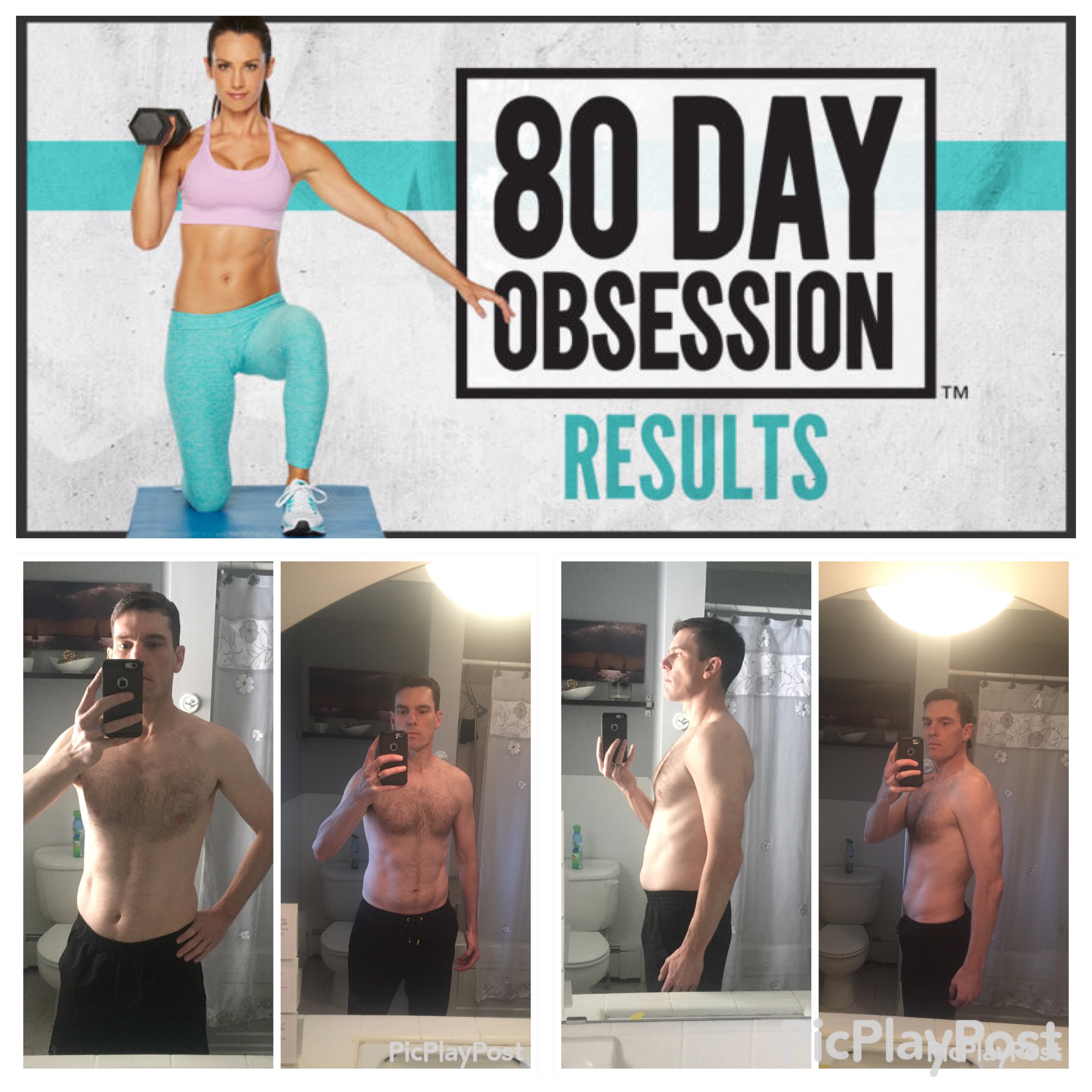
When you lose body fat, you’ll be able to see it in how your clothes fit and in your pictures. Take a look at these “before” and “after” results to see what we mean!

“Often, I see clients get impatient and, if they don’t lose weight almost immediately, they change their regimens,” says Wesley Delbridge, R.D., a spokesperson for the Academy of Nutrition and Dietetics. “However, they may have been on the right path to begin with; they just needed to give it more time.”

2. You Don’t Eat Enough Food

Super low-calorie and elimination diets — like those that are probably clogging up your social media feed right now — ignore the fact that food is fuel. Calories, including often-maligned carbohydrates and fat, are required for you to live and breathe… let alone to lose weight in a healthy way.

“Because our body weight is regulated by multiple systems, starving ourselves activates the body’s protective mechanisms to defend our body’s weight,” says Ethan Lazarus, M.D., a board member of the Obesity Medicine Association.

“One of these mechanisms is dropping the metabolism as low as possible. In general, we recommend, unless under medical supervision, not keeping your calories below 1,200 calories per day.”

3. You’re Not Eating Carbohydrates (or Protein or Fat)

For a healthy diet — whether or not you’re trying to lose weight — the calories you eat should come from a combination of healthy carbohydrates, proteins, and fats, explains San Diego bariatric surgeon Julie Ellner, M.D.

Whole-food sources of unrefined carbs (ex. legumes, fruit, and raw veggies) are vital to keeping energy levels up so that you can crush your workouts. The fiber found in these carbohydrates (versus, say, a croissant), will help you stay full and help you be less likely to snack on something unhealthy.

In addition, when you eat too few carbs, your body doesn’t stock as much glycogen, the stored form of your body’s primary fuel source, glucose. And since each gram of glycogen is stored with three grams of water, the scale will reflect that reduction in water weight. But that’s all it is: water weight. So, while the lower number might be encouraging, it doesn’t reflect your progress toward your ultimate goal: fat loss.

In addition to losing primarily water weight, cutting back too far on carbs can leave you chronically low on energy, which can hamper your weight-loss efforts by keeping you more sedentary and lowering your workout performance.

You also need protein and fat. Both will help you feel full, but fat also helps regulate your hormones and protein is vital to building lean muscle mass, the primary determinant factor of your metabolic rate, Ellner says. The more muscle you have, the faster your metabolism will be.

4. You’re Not Working Out Hard Enough

When you go for a jog or long, slow bike ride, you burn calories, but your metabolism settles back to normal soon afterward. That’s one of the reasons high-intensity exercise like the kind of metabolic conditioning you’ll find in Beachbody programs such as CORE DE FORCE and 22-Minute Hard Corps is superior for weight loss. Not only do you burn more calories during every minute you work out, but your metabolism also remains elevated for days instead of hours.

5. You Only Do Cardio Workouts

When most people want to lose weight, the first thing they turn to is the treadmill, aka the “dreadmill.”

Hating your workout isn’t going to help you stick with a workout routine. And, you may find you have better luck losing weight if you take the emphasis off steady-state cardio and focus more on strength training.

According to one large-scale study from the Harvard School of Public Health, people who spent 20 minutes per day strength training gained less belly fat over the course of 12 years compared to those who logged the same number of minutes doing cardio.

“Even if following a healthy diet for weight loss with adequate protein, we don’t lose 100 percent fat,” says Lazarus. “We lose part body fat and part lean body weight (muscle), and losses in lean body weight can result in the metabolism slowing.”

“Strength training — whether it’s with weights, yoga, Pilates, or any other resistance-based workout — is important to preserve lean body weight and metabolism. Think about it: Weight training gives your body a bigger engine. That bigger engine burns more gas getting you around town,” Lazarus explains.

Cardio can certainly be a part of your weight-loss routine, but try to include weight-lifting sessions and bodyweight circuits into your routine several times per week.

6. You’re Trying to Change Your Whole Lifestyle At Once

Going on a diet sounds like it’s just one simple change. But, in reality, following a healthy diet and weight-loss plan may include shopping for new foods, learning new recipes, changing how you spend your time after work, potentially getting up earlier to work out, increasing your step count, fighting cravings for junk food , drinking more water, and so much more.

That’s a lot to take on at once and can leave you feeling overwhelmed.

That’s why a habit-based approach can help, especially for those who have a history of going on and off diets. A review from experts at the University College London’s Health Behaviour Research Centre shows that habit formation is vital to making sustainable, long-lasting changes.

Try focusing on changing one thing at a time, and practicing that change until it’s really cemented, and then work on adding in the next one. Some good examples of healthy changes:

7. You Don’t Pay Attention to Your Body’s Cues

Trying to belong to the clean-plate club can hinder your weight-loss efforts because it ignores your body’s way of regulating food intake: namely, hunger and satiety.

“Paying attention to how each bite makes the body feel is critical to getting in touch with how much food we actually need, as well as what types of foods make us feel good and energized versus fatigued,” Ellner says.

She recommends eating when you are slightly hungry and to stop eating when you are slightly full. Although a 2014 Public Health Nutrition review suggests intuitive eating is a better tactic for weight maintenance versus weight loss, it has been shown to improve mental health and physical health factors other than body mass index.

If you find yourself gravitating to the kitchen or your desk’s snack drawer, ask yourself, “Am I really hungry?” Often we eat out of habit, boredom, and stress. (Or because we’ve confused hunger with thirst!)

As you eat, nixing distractions such as the TV, computer, and phone can really help you hone in and recognize when you’ve eaten just enough, Ellner says.

8. You Eat More Than You Think You Do

“When people track their food intake for the first time, they are usually shocked to see what they are really eating throughout the day,” says board-certified family and bariatric physician Spencer Nadolsky, D.O., a diplomat of the American Board of Obesity Medicine.

You don’t have to do it forever, but tracking every single thing you eat for as little as a week can help raise awareness of what you are eating and where you are getting excess calories or sugar, Nadolsky says.

Make sure to track everything — those little taste-test bites you take while cooking or handfuls of candy from your coworker’s desk add up.

Plus, if you add a “notes” column to your tracker or food journal, writing down how you felt prior to each meal can help you learn how your emotions, energy levels, and food schedule play into what you eat.

For instance, if you write: “I worked through lunch, and then my blood sugar completely crashed and I felt super shaky” after your “candy bar” entry, that gives you a lot more information as to what will help you avoid that daily 2 p.m. vending machine run, says Delbridge.

If you don’t have the time or headspace to count calories, you can also try the Beachbody Portion-Fix Eating Plan, which calculates your approximate total daily calorie needs and helps you stick to them with a color-coded portion-control container system. Simply eat the number of containers prescribed in your daily calorie range, and you don’t have to track or count calories.

Also, don’t try to accelerate your losses by slashing more calories than what’s recommended. If you don’t eat enough, your body will try to compensate for the excessive calorie deficit by slowing your metabolism. Your goal is to eat at just enough of a deficit to allow your body to burn through its fat stores.

9. You Don’t Get Enough Good Sleep

Just because you can “power through” on not much sleep, it doesn’t mean you can thrive that way — especially when it comes to weight loss.

“When we sleep, body fat makes two important hormones, leptin and adiponectin,” says Lazarus. “Leptin is our body’s best natural appetite-suppressing hormone, while adiponectin is helpful in making our body respond better to insulin.”

He explains, “After inadequate sleep, in addition to being tired, which we all know is every dieter’s worst enemy, we will be hungry and crave carbohydrates.”

In addition, one small study found that when dieters slept for only 5½ hours, they experienced 55% less weight loss and also saw their lean body mass decrease compared with those in the study who got 8½ hours of sleep.

The National Sleep Foundation recommends that adults ages 18 to 64 sleep 7 to 9 hours per night. If you consistently get less than that — and 35 percent of American adults don’t get this amount, according to the U.S. Centers for Disease Control and Prevention — it’s time to make sleep a priority.

Stop treating sleep as a negotiable or the first thing to go when things get busy. To set yourself up for success, plan your sleep (establish a regular sleep schedule), and then schedule everything else on your to-do list around it.

10. You Spend a Lot of Time Sitting or Inactive

Hitting your workouts is great, but for optimal results, you shouldn’t limit movement to your workouts, says Nadolsky, noting that it’s your total amount of daily activity that truly matters for weight loss.

Unfortunately, simply exercising for 30 or 60 minutes a day doesn’t move you out of the sedentary category, and research published in the International Journal of Behavioral Nutrition and Physical Activity shows that regular exercisers tend to spend just as much time sitting compared to those who skip their workouts.

Try integrating what Nadolsky calls “exercise snacks” throughout the day. Once per hour, get up and walk around your office, perform a single set of (bodyweight) squats, try deskercise,”or just enjoy a few standing stretches. Take a walking meeting, ditch the escalator for the stairs, or use a basket rather than a shopping cart when picking up a couple of things at the supermarket.

Fitness, Fortitude, Nutrition

What Happens When You Go “All In”

IMG_0512

Angie and I recently finished a rigorous fitness & nutrition program called 80 Day Obsession. The name is a little off-putting as I don’t like to think we are (or ever need to be) “obsessed” with our fitness or physique. I prefer to think of this endeavor as 80 days fully committed, focused, and “all in.” It was a personal test to see if I could eat really healthy for 3 months and stick to a challenging workout schedule. I often say we must do hard things if we want to be our best, so I put my words to action. Here are a few key takeaways from the experience:
Results are Visible
While my photos may not blow you away with transformation like Bruce Banner to Hulk, some pretty cool stuff happened to my body.
Lost over 4% body fat
Lost about 3″ from my waistline
Gained nearly 1″ in my arms
Gained about 5 lbs.
Angie reported losing over 8 lbs. and 7 inches overall which is significant for someone who is already fairly petite. There’s one thing you need to remember about the scale though. Muscle weighs more than fat, so to focus on the scale as the judge & jury for success in your healthy living journey is very short-sighted. No one wears a sign with their weight on it. It’s about how you carry the weight, how you FEEL in your skin, and what you can DO now that seemed impossible before. Clothes fit better, and in Angie’s case she’s down a couple sizes even though the scale only says down 8 lbs. More importantly, she’s gained confidence from this experience which brings me to my next point.
Invisible Results are Awesomer
That’s right, I said awesomer. Doing something hard like a rigorous fitness program does amazing things to you that can’t be seen in before & after photos.
     Added significant strength – Angie & I both increased our weights more than we could have hoped. We FEEL so much stronger because we ARE MUST STRONGER.

IMG_0489


     Mental fortitude increased – I can’t say enough about this part. The “doing hard things” is mostly mental. The body will go where the mind takes it. We are so apt to quit when something is hard, so to LEARN to conquer our mind and tell it “No!” when we feel like quitting, when we feel too tired to exercise, when we feel like eating cookies instead of carrots, is a really big deal. The DISCIPLINE learned is that I can do more than I thought, I CAN conquer my mind – my thoughts, feelings, and attitudes to align with my goals.

conquer2


     Eating Healthy Isn’t Punishment – I had my doubts about the nutrition plan that goes with the workout program. Yeah, you probably think I’ve been a healthy eater for a long time so this would be no big deal. You are mistaken my friend. To REALLY dial in the nutrition by eating certain food groups at specific times of day in specific quantities, and eating ALL THE FOOD I’m supposed to was a huge challenge at first. Practice became habit. My body adjusted to eating 5 meals with 6 servings of veggies a day . All the veggies! I was rarely hungry, no energy crashes, VERY regular digestion, and we saved money at the grocery store.

“Hmmm. Eat more, save money, and get more lean? Where do I sign up??”

Further, meal times required no fuss or thought. No scavenging through the pantry. I planned ahead. I did meal prep on the weekends. Virtually all my meals were accounted for ahead of time. Super easy. And when I wasn’t at home, I could either take a healthy snack with me or just make good choices. Just because donuts are offered, doesn’t mean I have to eat them. Especially in the last month of the program, I found it easier to make healthy choices. Instead of craving sugar and junk food more as I went along, I wanted it LESS. And when I did treat myself, it was disappointing at best. It’s miraculous really. The body craves real, healthy food and rewards you when you eat it.

Bottom line is that eating healthy is actually a blessing, a gift rather than a punishment. My transformation is mostly mental in the way I see food. I understood the ideas of healthy eating before, but this experience has changed me. Healthy habits refined. Momentum built. Confidence growing.

I firmly believe that when you conquer your mind with discipline and a lifestyle of healthy habits, the benefits can reach into other areas of your life to make you a better spouse, friend, parent, worker, etc. Do you want to be a better person? Gain confidence? Get in the best shape of your life? All at the same time? Maybe it’s time for you to go “all in” on a complete fitness and nutrition program.

Fitness

12 Tips to Help You Stick With Exercise

IMG_0058_Moment(2)

Exercise by definition is work. And it’s hard to put in the work to get results. It’s easy to talk yourself out of exercising. Even when you have the best intentions to work out, excuses are so easy to find — “I’m too tired,” or “I’m busy,” or “The weather is bad.”

The right attitude and a few tricks can keep your fitness routine on track. Use these tips to stay in the game:

1. Do it for yourself. Studies show that people who are “externally motivated” — that is, they hit the gym just to look good at the class reunion — don’t stick with it. Those who are “internally motivated” — meaning they exercise because they love it — are the ones who stay in it for the long run. Check out this video from the Quadzilla YouTube archive to help “find your WHY” to make exercise part of your lifestyle.

2. Take baby steps. You would never try to run 10 miles on day one, right? When you do too much too soon, you’ll end up sore, injured, and discouraged. Take it easy as you get started. Maybe you only run a quarter mile your first week. When that becomes easy, you can make it more challenging. Having a plan to follow will expedite your progress without killing yourself. Baby Steps really works!

3. Hang tough. No one has perfect form the first day of strength training. Every workout takes practice. You’ll get the hang of it if you keep making an effort. And if you use the best home workout videos in the universe, there is always a modifier to help you ease into the moves.

4. Mix it up. Do different types of workouts to keep things interesting and to exercise different muscle groups. I can testify that running 5k’s works your legs and lungs differently than when playing basketball. Mix up your cardio to optimize your fitness gains. Also, switch up your weight lifting routine with some killer body weight exercises. You don’t have to reinvent your entire routine every week, but you do want to shift it around a little.

5. Don’t be your own drill sergeant. Half of all people who start a new exercise program ditch it within the first year. It often happens because they can’t keep up the boot-camp pace they’ve forced on themselves. It’s better to work within your limits, and gradually get stronger.

6. Bring a friend. When your inner demons order you to hit the couch instead of the treadmill, a workout partner can steer you back in the right direction. It’s easier to bail out on the gym than on the friend who waits for you there. Studies show you’ll also work out longer when you have a pal along. I like to exercise with my wife and son. We hold each other accountable and it’s something fun to do together.

7. Show the clock who’s boss. Health experts say you should aim for at least 150 minutes of exercise a week (30 minutes a day, five times a week, for example), plus weight training at least twice a week. Can’t find room in your crazy schedule? Take a closer look. If you work too late to get to a gym, keep a set of weights at home. If you can’t do 30 minutes at once, break exercise sessions up into 10- or 15-minute bursts. Trust me on this, you have more time than you think. If exercise is important to you, you will make time for it.

8. Get used to it. Your workout should be just as much a habit as brushing your teeth or eating breakfast. When it’s part of your routine, you won’t even have to think about it. In a few months, fitness can be a regular feature in your day.

9. Live in the present. So what if you missed a week of workouts and polished off a pint of ice cream over the weekend? Leave the guilt in the past. You have a chance to get back into your routine today.

10. Keep it real. You’re not going to skim off 30 pounds in a week. Aim for something that’s realistic as a first step. For instance, increase your workout schedule from 2 to 3 days a week, or exercise for 15 more minutes each time. Baby steps.

11. Track it. Keep a fitness journal or use an app to record your progress — for example, how much you run, walk, or lift and the calories you burn. Progress photos are a great way to measure your progress and remind you where you came from. A good training plan/ calendar will help with this too. Ask me about a plan to suit your needs!

12. Celebrate! It takes weeks to see real changes. Reward yourself with new gear or a sensible treat when you reach progress milestones. Share your results with others, so they can celebrate with you and encourage you to keep up the good work.

SOURCES:Acevedo E. Psychobiology of Physical Activity, Human Kinetics, 2006.CDC: “How much physical activity do adults need?”Ryan, R. International Journal of Sport Psychology, 1997.Matsumoto, H. International Journal of Sport and Health Science, 2004.Dunton, G. Medicine & Science in Sports & Exercise, September 2009.U.S. Department of Agriculture.

Fitness, Nutrition

The #1 Habit You Need to Lose Weight

fruit_and_weights

Do you know how many “weight-loss habits” there are? When you ask Google (you know, THE authority on ANY topic) you will find 34 million or so articles to  tell you what to do, what not to do, common advice that is bad, etc. Ask 100 people what the one habit is that makes someone successful at long term, sustained weight loss, and you will get nearly 100 answers. So how can you really know what you NEED to do to lose weight?

To be fair, a habit is sort of nebulously defined. I think we can all agree that a habit is anything you do regularly, but according to the definition used in psychology, a habit also needs to be done automatically — as in, without really thinking about it. Which is why identifying habits by yourself is so hard. How can you think about the stuff that you don’t have to think about?

You see, all habits need a trigger — a little reminder that says, “Hey, you should do this action now.” They also need a reward — a little reminder that what you just did was a good thing. But these are really hard to identify by yourself because they happen below our level of consciousness. It’s really hard to remember new triggers, and it’s hard to remember to reward yourself. Habits are hard. Isn’t crazy that bad habits seem to sneak up on you, while the healthy habits are so hard to keep? This one habit makes all the other healthy habits easy. So without further ado, The Number 1 Habit You Need to Lose Weight is:

FINDING PEOPLE TO SHARE YOUR JOURNEY

Permanent lifestyle changes happen in relationships. Whether they take place with peers, a coach, family, friends, coworkers, the other anonymous people at the meetings, or the participants in one of my healthy living challenges, new habits happen when people get together and help each other out.

Finding your own triggers is hard. Seeing other people’s is easy. Remembering to tell yourself, “Great job!” is hard. Remembering to tell other people is easy. Figuring out how to work new foods, new activities, and new steps into your own life is hard. Watching and learning from a whole bunch of other people like you who are trying to get to the same place you are is just so much easier!

This all-important, Number 1 habit can also be called, “Creating a community of consistency.” And it can be as big a commitment as hiring a coach, or as simple as telling a friend what you’re doing to lose weight or inviting them to join you in a Team Quadzilla Healthy Living Challenge. Whatever you can do to share the load of learning, planning, remembering and rewarding will be one less thing you have to worry about.

Life is meant to be lived in community with others. In today’s virtual world people can easily connect with one another even though there are many miles between them. People are looking for others with the same struggles so they can relate, find encouragement and help, and to be a help to others. That’s a key reason why I started Team Quadzilla. We are all on a journey to do what is right and to be our best. If you are struggling to make progress in your journey, whether physically, mentally/ emotionally, or spiritually let this be your encouragement to find a community to plug into.

Special thanks to Coach Stevo for doing the heavy lifting on this article. Coach Stevo is the nutrition and behavior change consultant at San Francisco CrossFit. He is a Certified Strength and Conditioning Specialist, holds a BA in Philosophy from the University of Chicago and an MA in Sport Psychology from John F. Kennedy University. He teaches habit-based coaching to wellness professionals all over the world and he contributed to Intervention by Dan John in 2012. 

Nutrition

Why Do Beans Make You Fart So Much?

Eat-Beans-for-Better-Belly-Health-Final-752x472.jpg

Beans, beans the musical fruit, the more you eat, the more you toot. The lyrics to the classic childhood song may be silly but, as anyone who’s over-indulged in the bean dip knows, those words can be embarrassingly accurate. However, what’s considered impolite is actually a sign your digestion is on track.

“Beans have soluble fiber, insoluble fiber and amino acids,” says Gretchen George, RD and professor at San Francisco State University. “We need these for healthy balance in our gut and amino acids for protein building.”

We know that beans are so good for you. The real question is: Why do they make you fart so much?

“Flatulence often occurs for two reasons,” explains George. “First, a person is not used to eating fiber.” In this case, George suggests adding it to a diet more regularly and gradually increasing the amount over time.

“Second, the diversity of the microbes in the gut may be low. Eating more probiotics to populate the gut and more prebiotics to feed the microbes in the gut will help.”

Think of these microbes as a microscopic farting factory in the human digestive system. Everyone has naturally occurring microbes in their intestines. When carbohydrates come down the pipe by eating high-fiber foods, like beans (a natural prebiotic), the microbes feed on those carbs and it’s that feeding that creates the gas. The gas then allows our bodies to absorb the nutrients in the food.

To all the people following the latest diet trend to avoid beans (yes, Paleo-people, this means you) you’re missing out on some seriously health-inducing farts.

When you crunch the numbers, beans add up to be about as caloric as lean meat. The difference is that beans are mostly water and fiber, which makes you feel full longer. One cup of pinto beans has 15 grams of fiber (about 62% of your RDA) and 245 calories. The same portion of lean chicken breast has 231 calories and lean tri-tip has a whopping 970 calories, but both provide zero fiber.

“The bulking component of fiber can make a person feel more full and also metabolically have more stability with blood glucose,” says George.  “This aides in control of hunger, thus helping with weight loss.”

Losing weight is obviously the goal for many, but that’s only one of the tootin’ benefits of a bean-heavy diet. While good for the waistline, beans may also help in decreasing your chances of serious diseases like cancerdiabetes and heart disease since being overweight increases the likelihood of developing these diseases. It’s also been proven to lower cholesterol.

Beans are good for you because they make you fart and farting is really good for you. However, does anyone really want to be breaking wind with every step, shimmy and squat? Unless you’re a caveman, the answer is likely no. So there’s a few things you can do about it:

1. COOK THE BEANS YOURSELF 

While canned beans are convenient, you have zero control over the amount of gas-producing starch in them. Try buying good-quality dried beans and then soaking and cooking them yourself.

2. CHANGE THE WATER

Ideally, beans need to soak before cooking, preferably overnight, so they can absorb water and soften. By changing the water a couple of times while they soak, you help remove the excess starch. Then simmer them (using another round of clean water) until tender. Most beans won’t need more than 20 minutes to half an hour if they’re well hydrated, so most of the effort is the ‘set it and forget it’ type.

3. ADD GINGER OR ORANGES

Some people think adding a bit of raw ginger or eating oranges before you eat the beans helps, too. We’re not sure about this, but it’s an old wives’ tale so why not try it? In the end, everyone’s gut is different and will have different reactions. So try both and see how it works for you.

Above all, the next time you’re out and about and feel the need to let one go, don’t be shy. Like a burp is a compliment to the chef, your booty is just ripping you a big message of thanks for giving it the good stuff.

Thanks to Amy Machnak and the myfitnesspal blog for this great article. I’m so glad to have a good reason to talk about farts.